The Two Bicycles of Sipho Dlamini
The proud man asks: "What can I display?"
The wise man asks: "What can I give?"
The truly great man asks: "What can we build — together?"
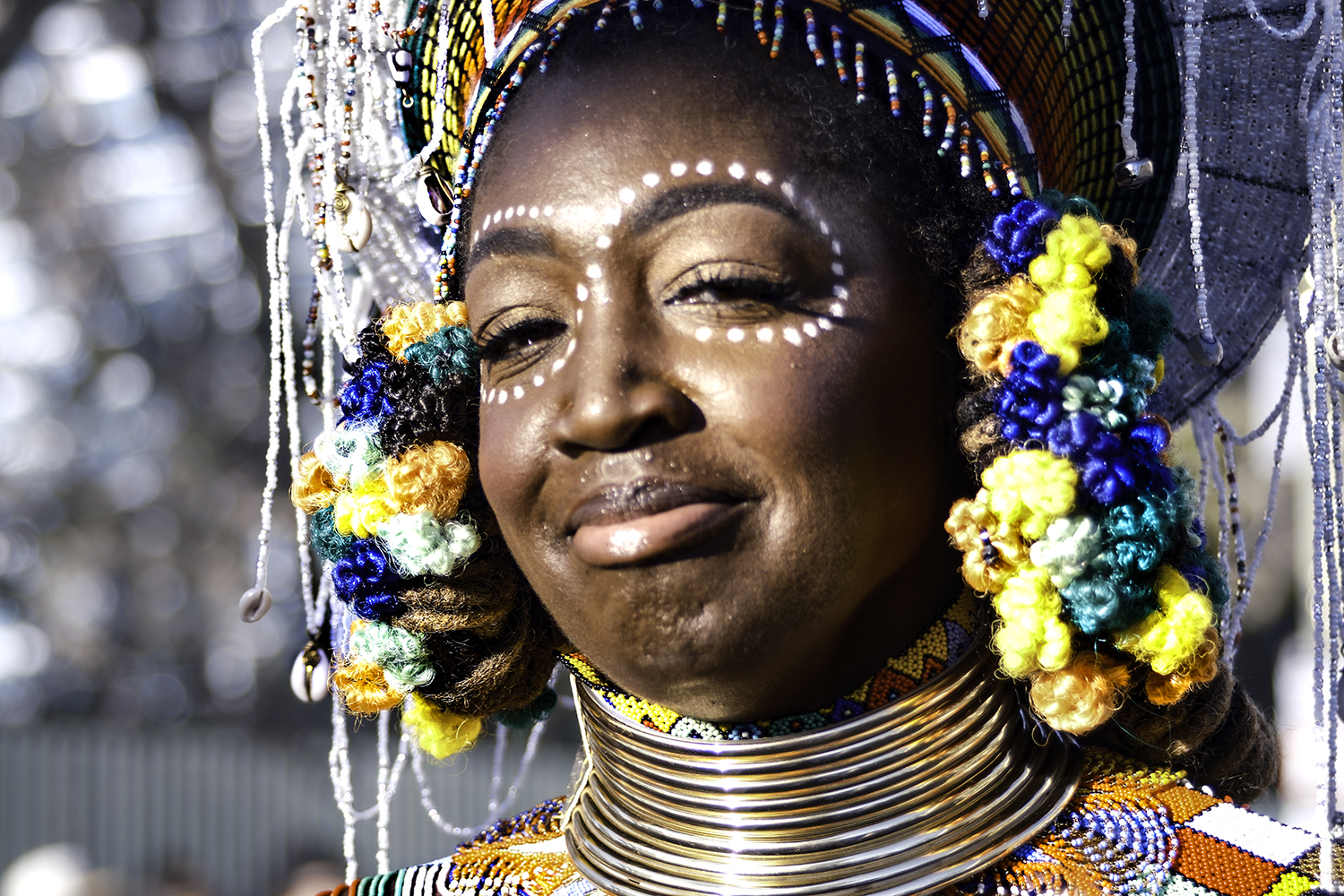
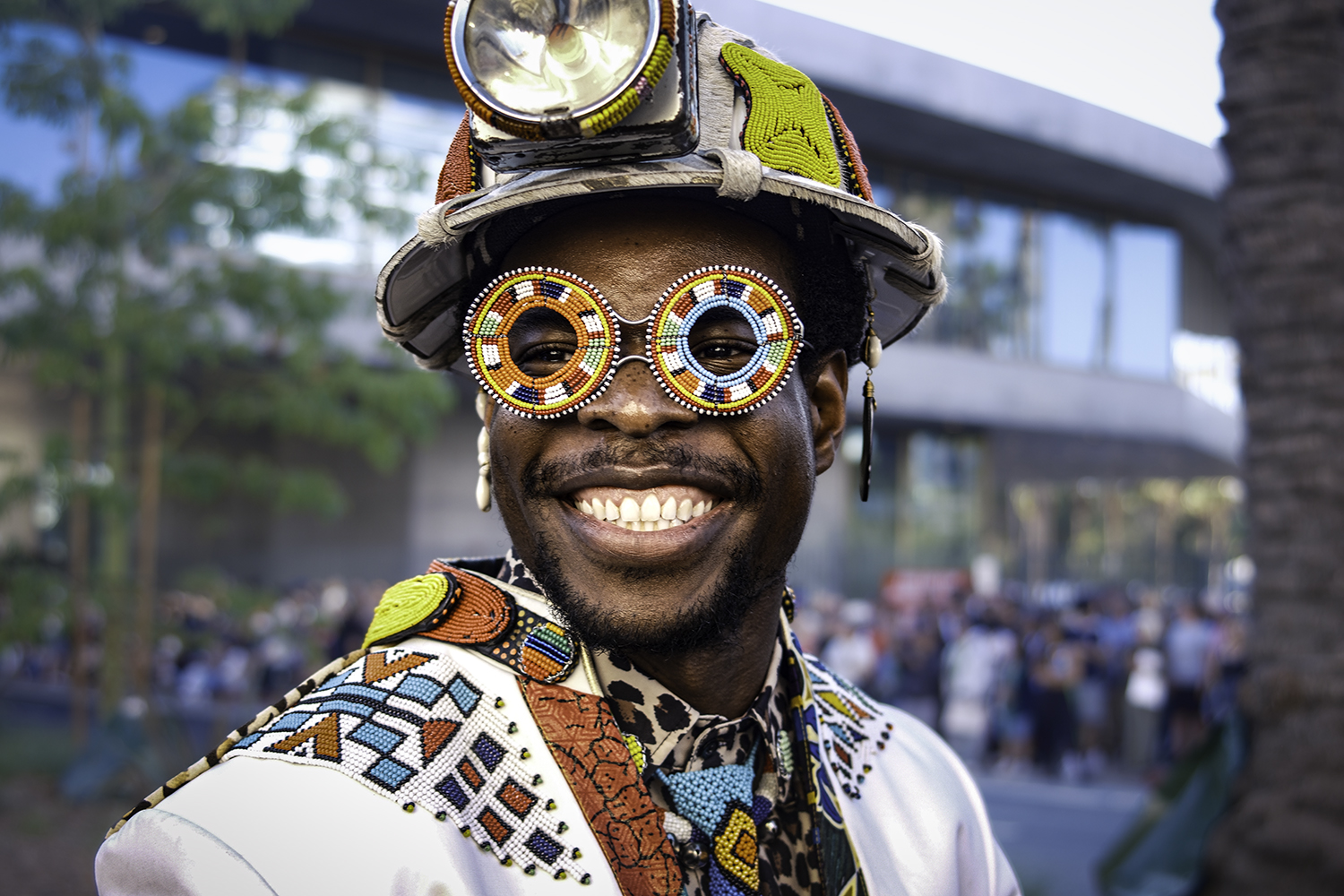
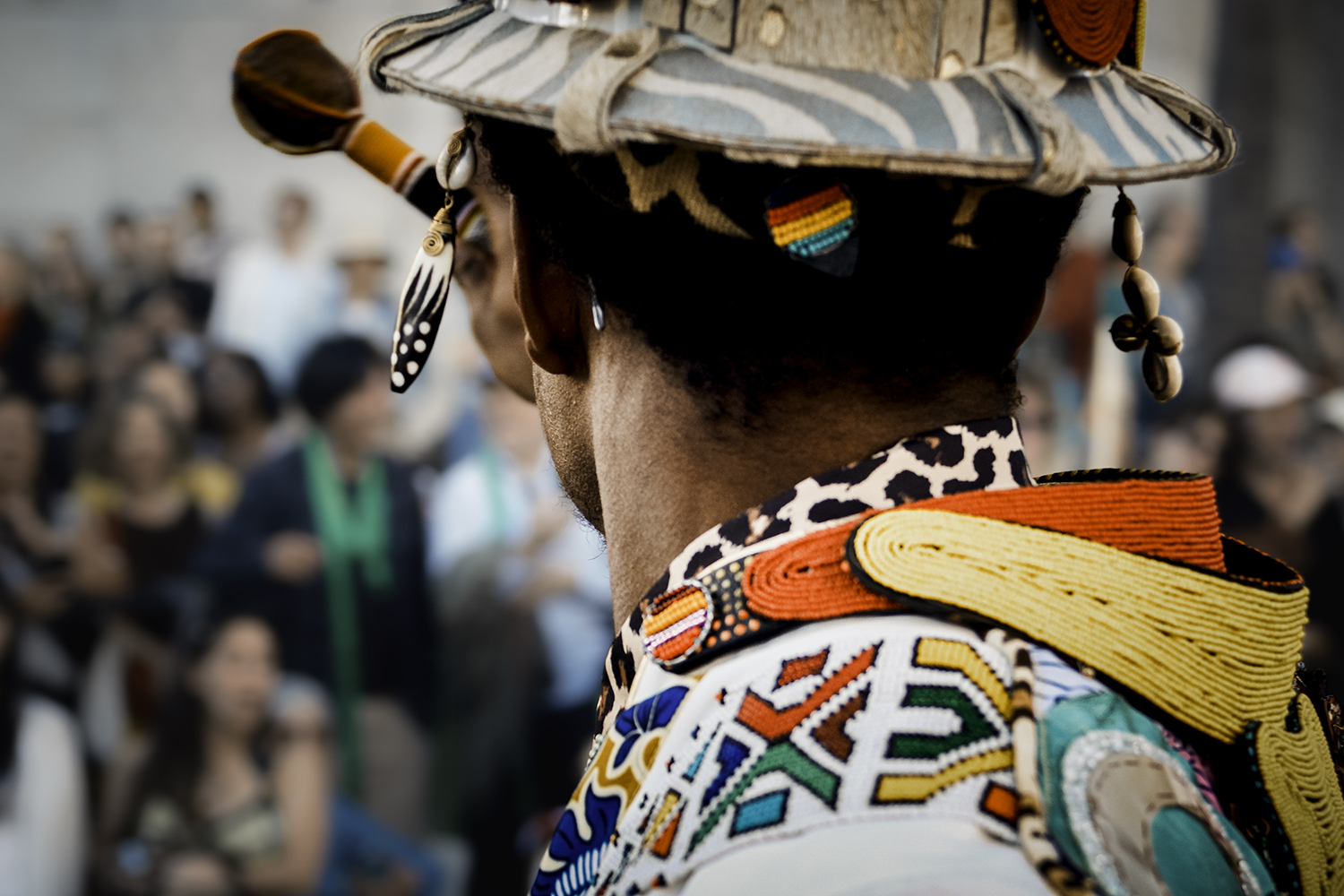
— "Umuntu ngumuntu ngabantu." A person is a person through other people.
Nguni Bantu proverb
"Umuntu ngumuntu ngabantu."
A person is a person through other people.
Nguni Bantu proverb
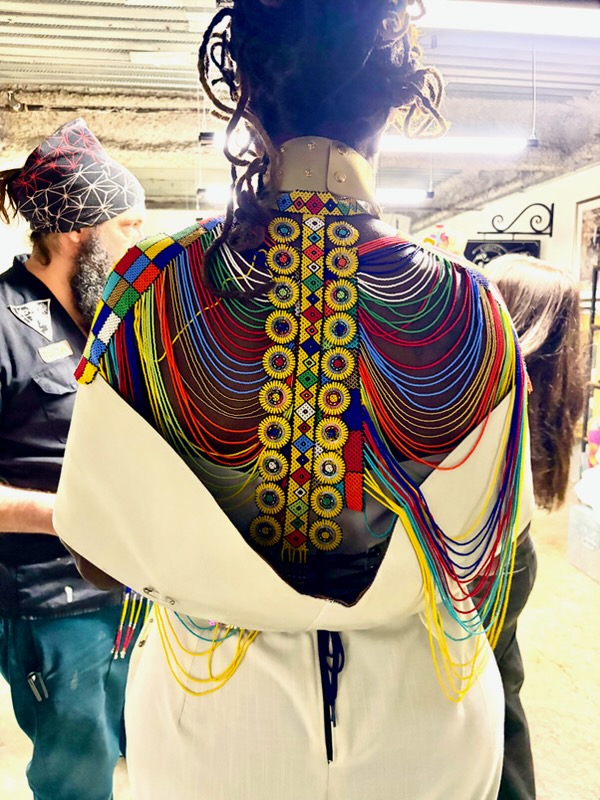
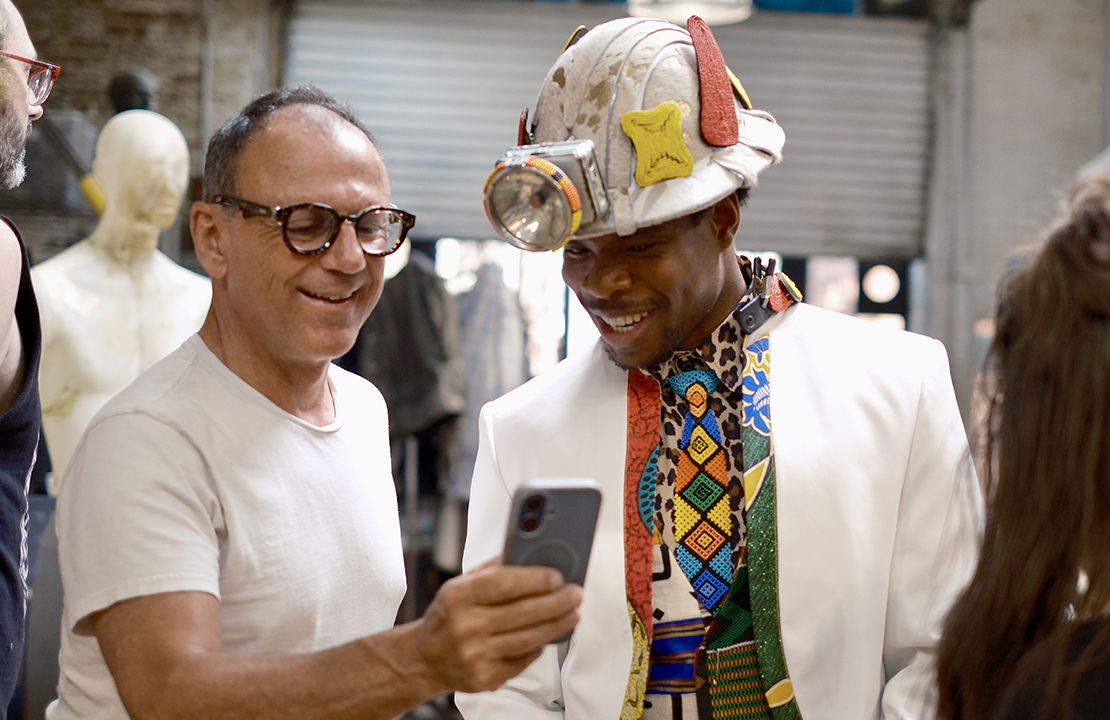
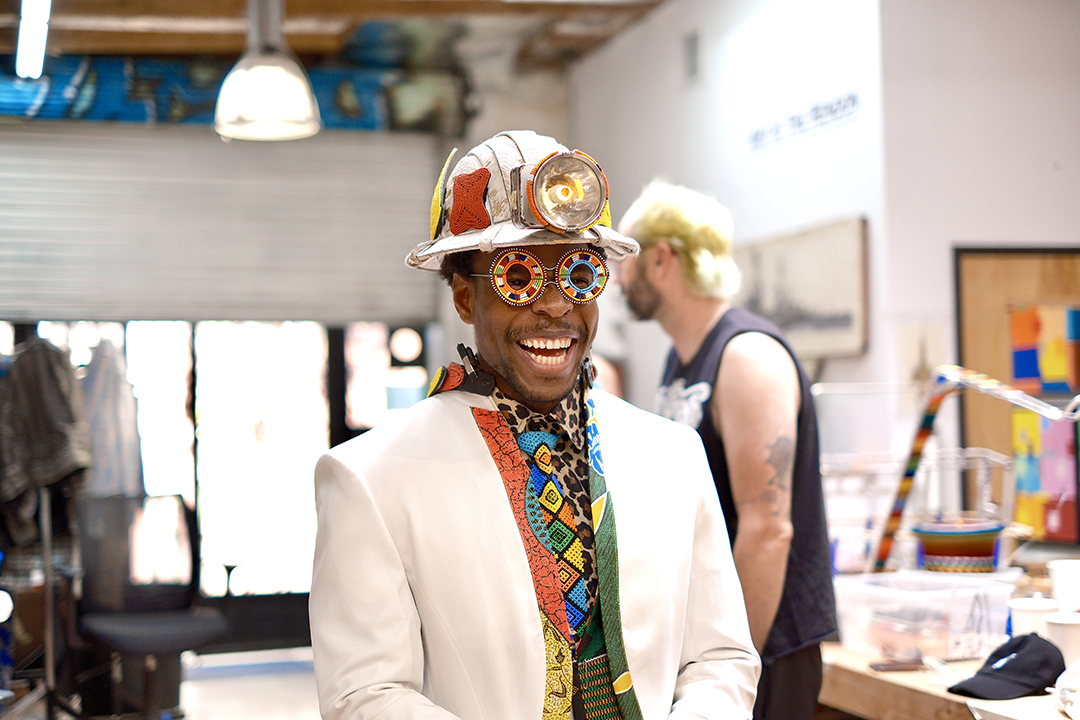
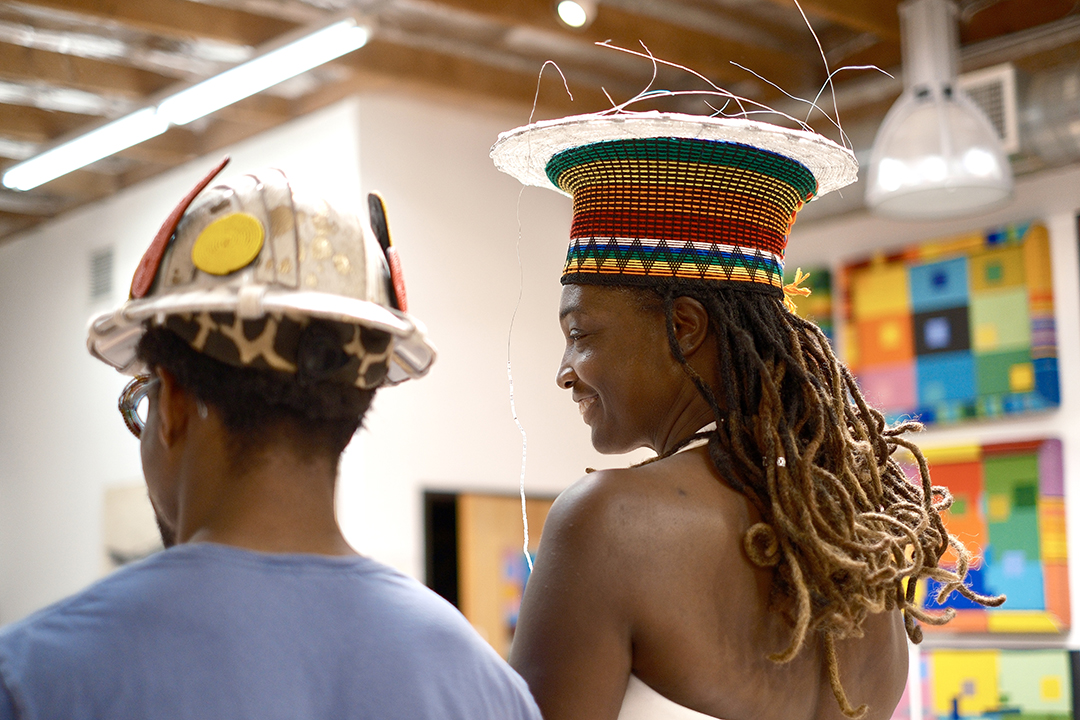
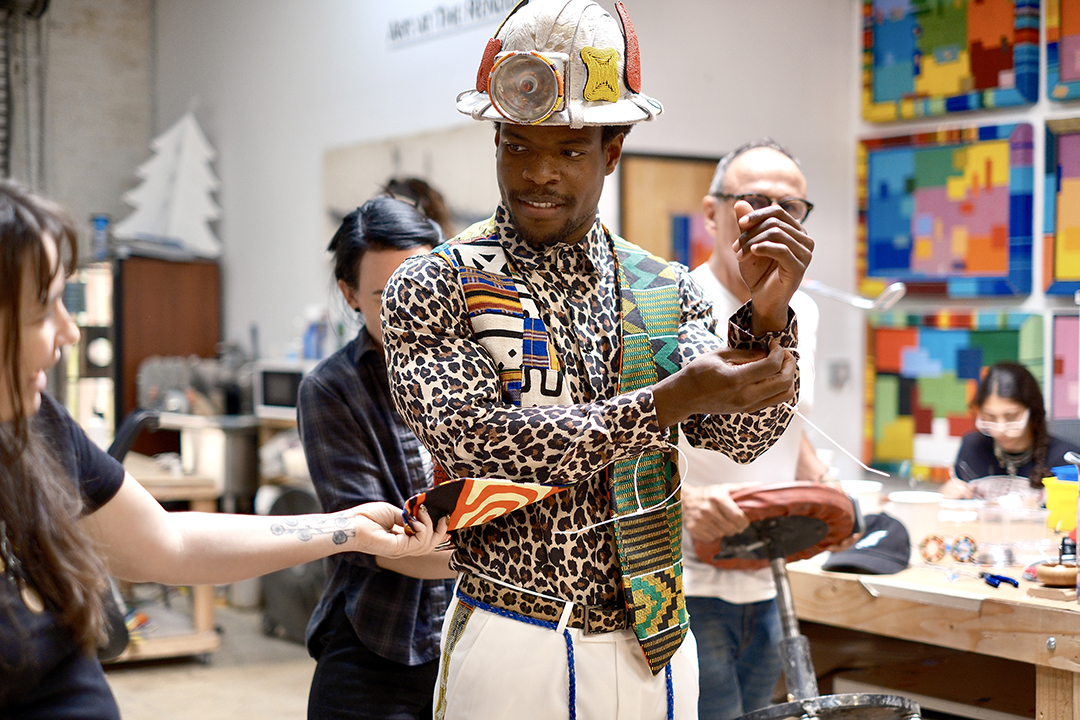
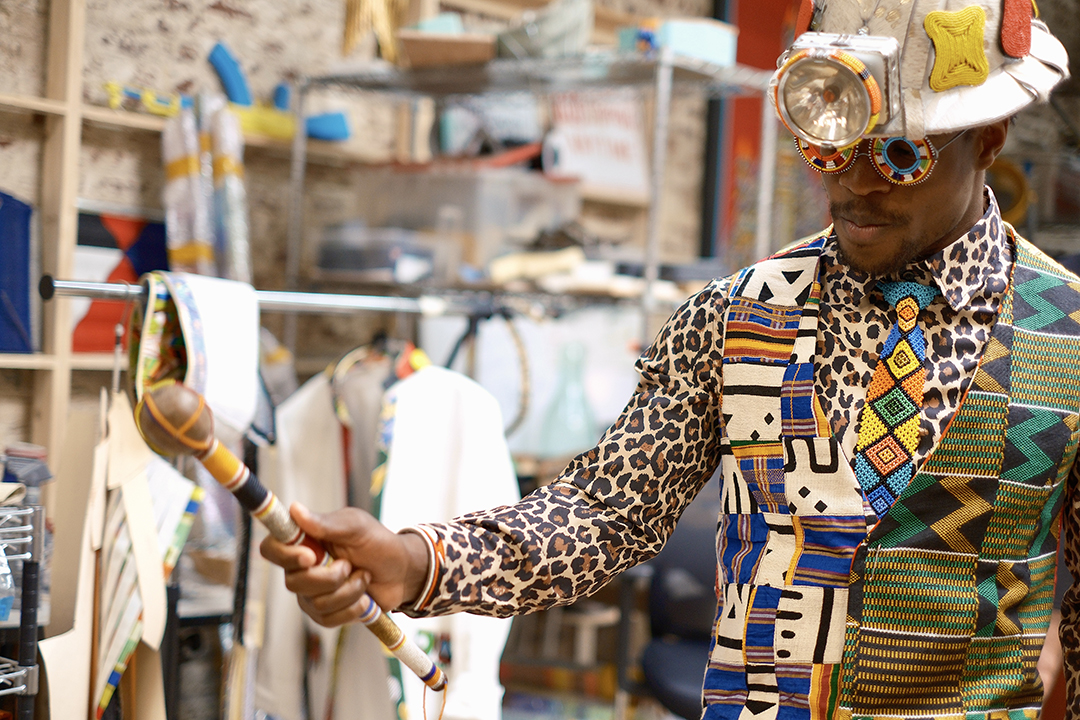
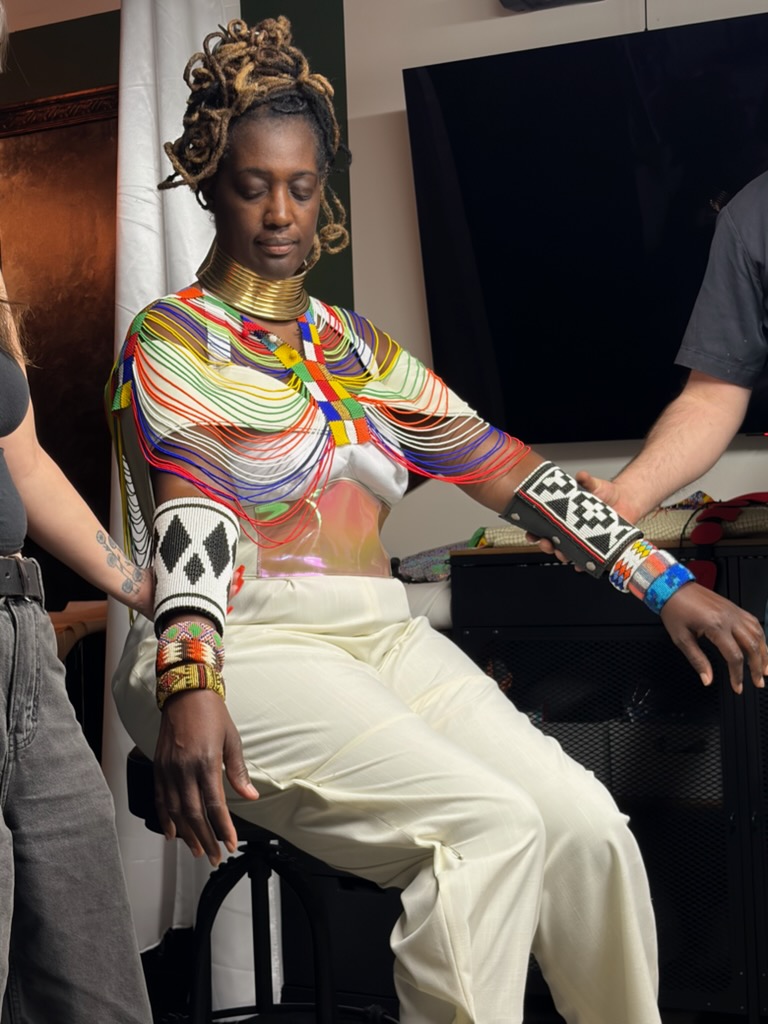
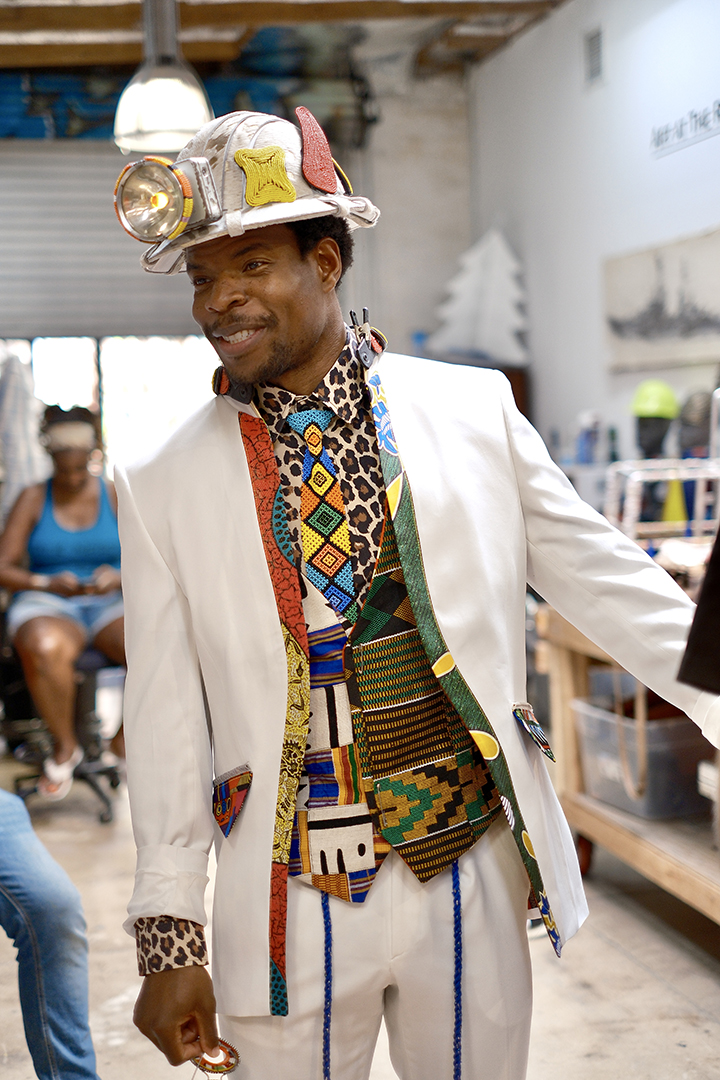
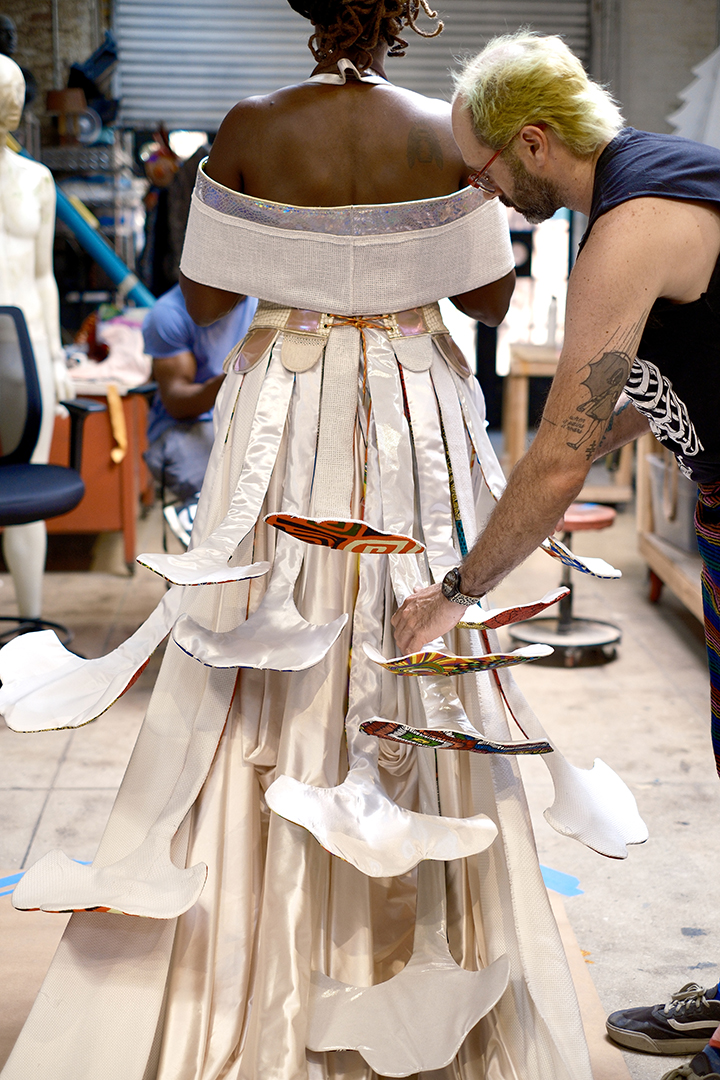
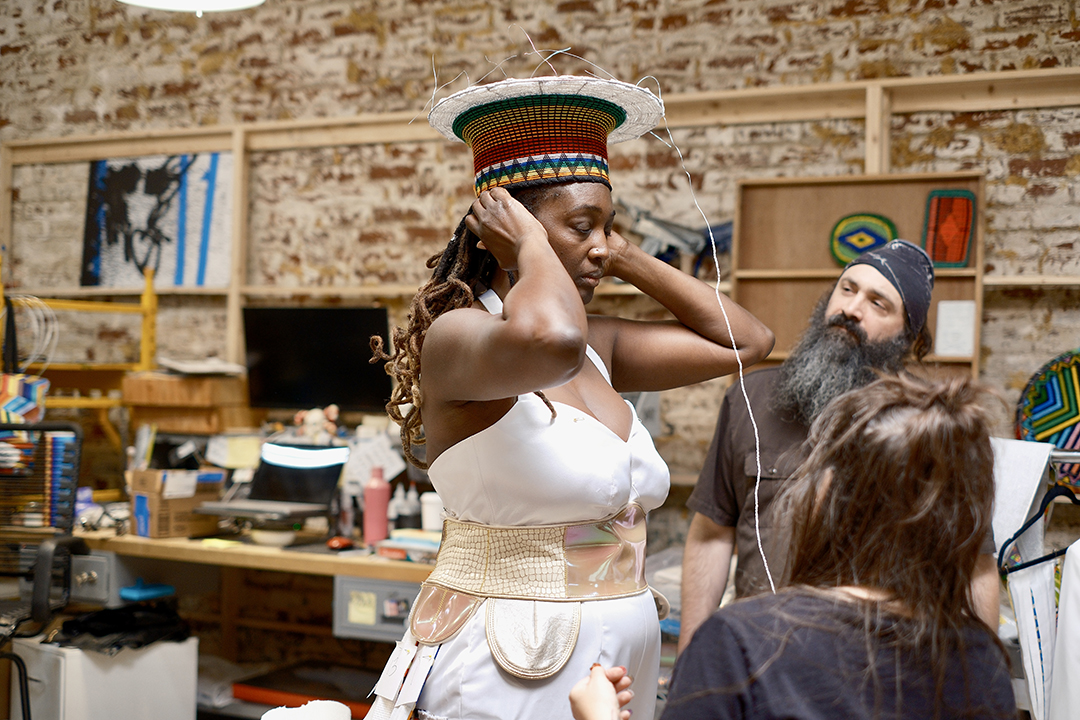
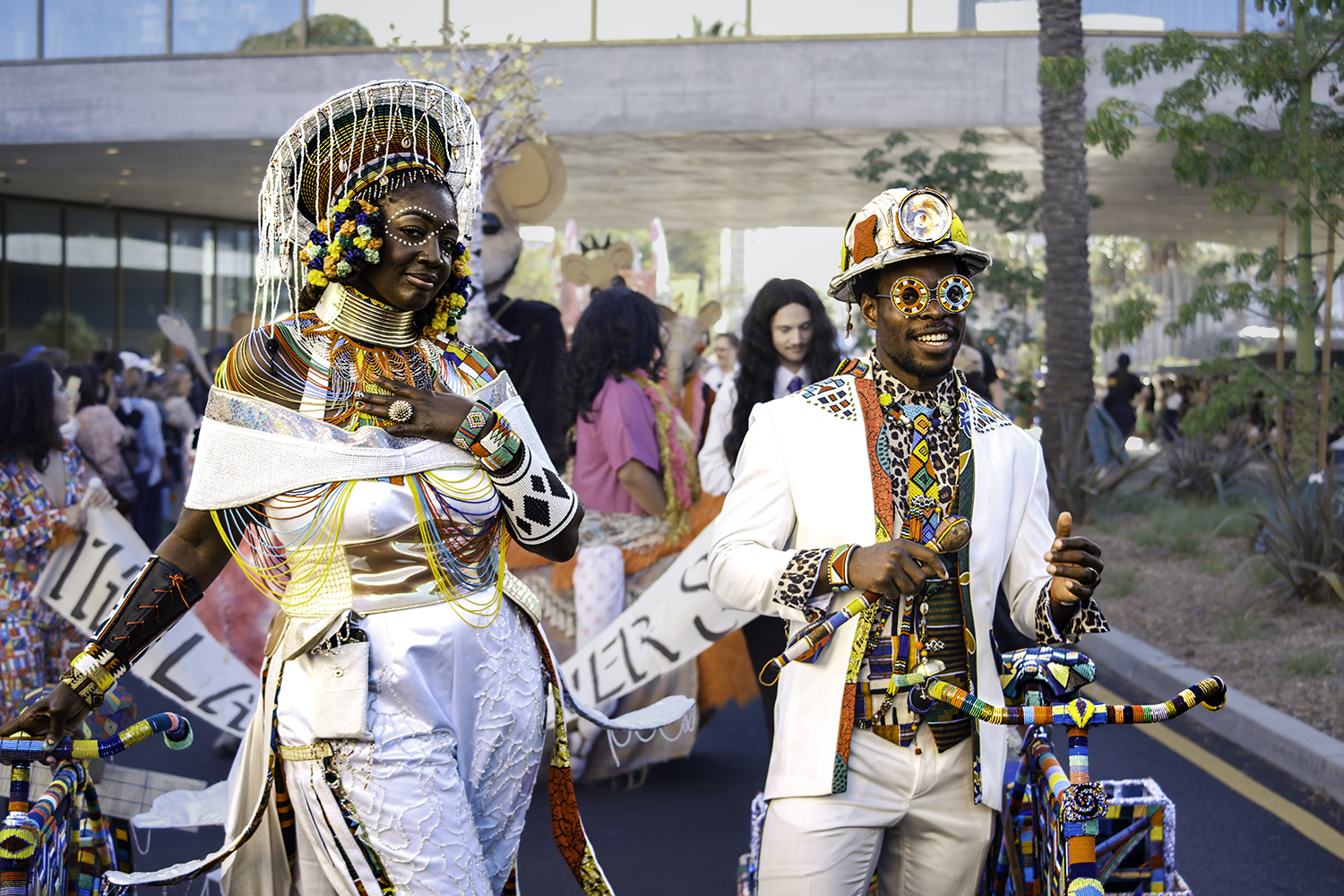
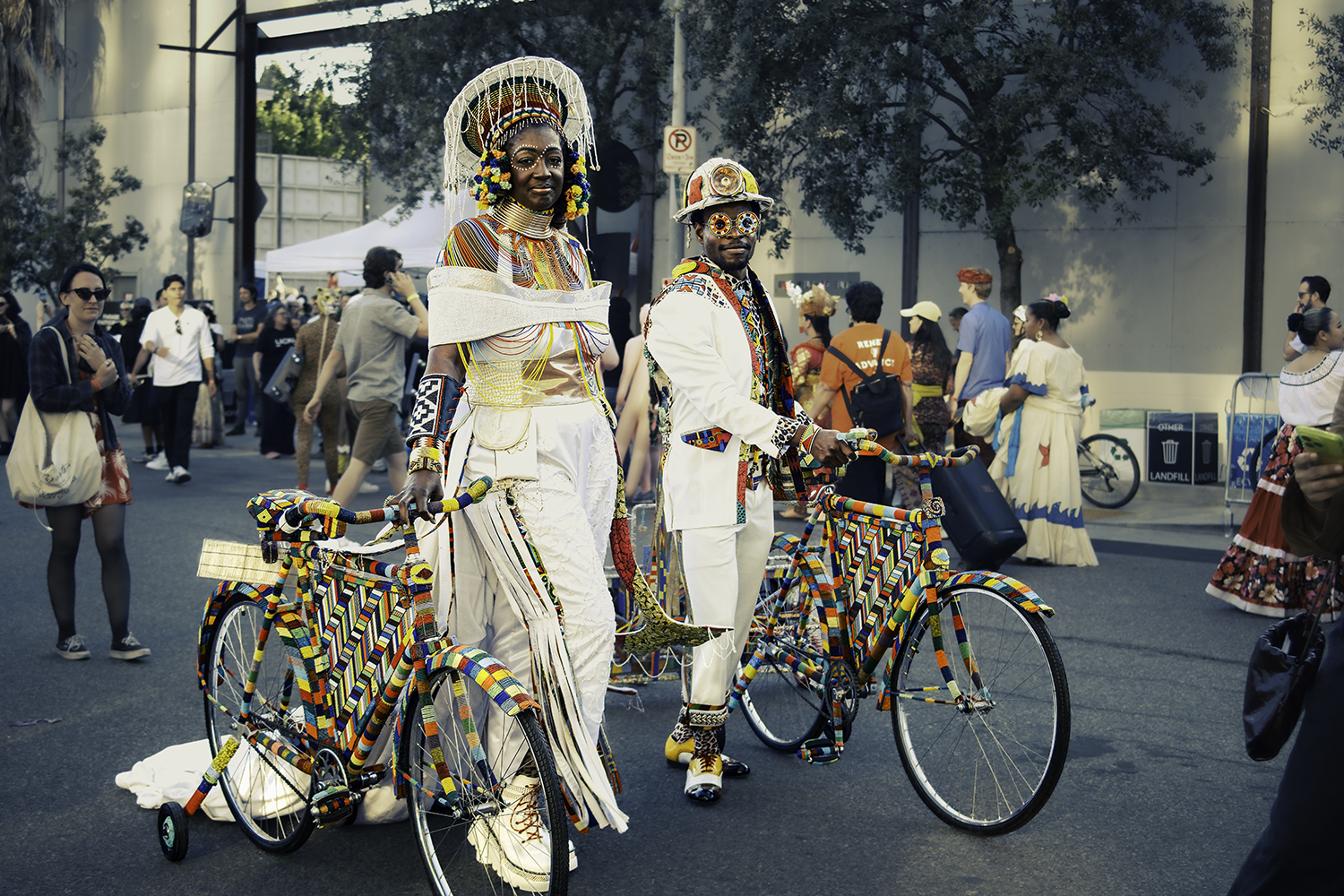
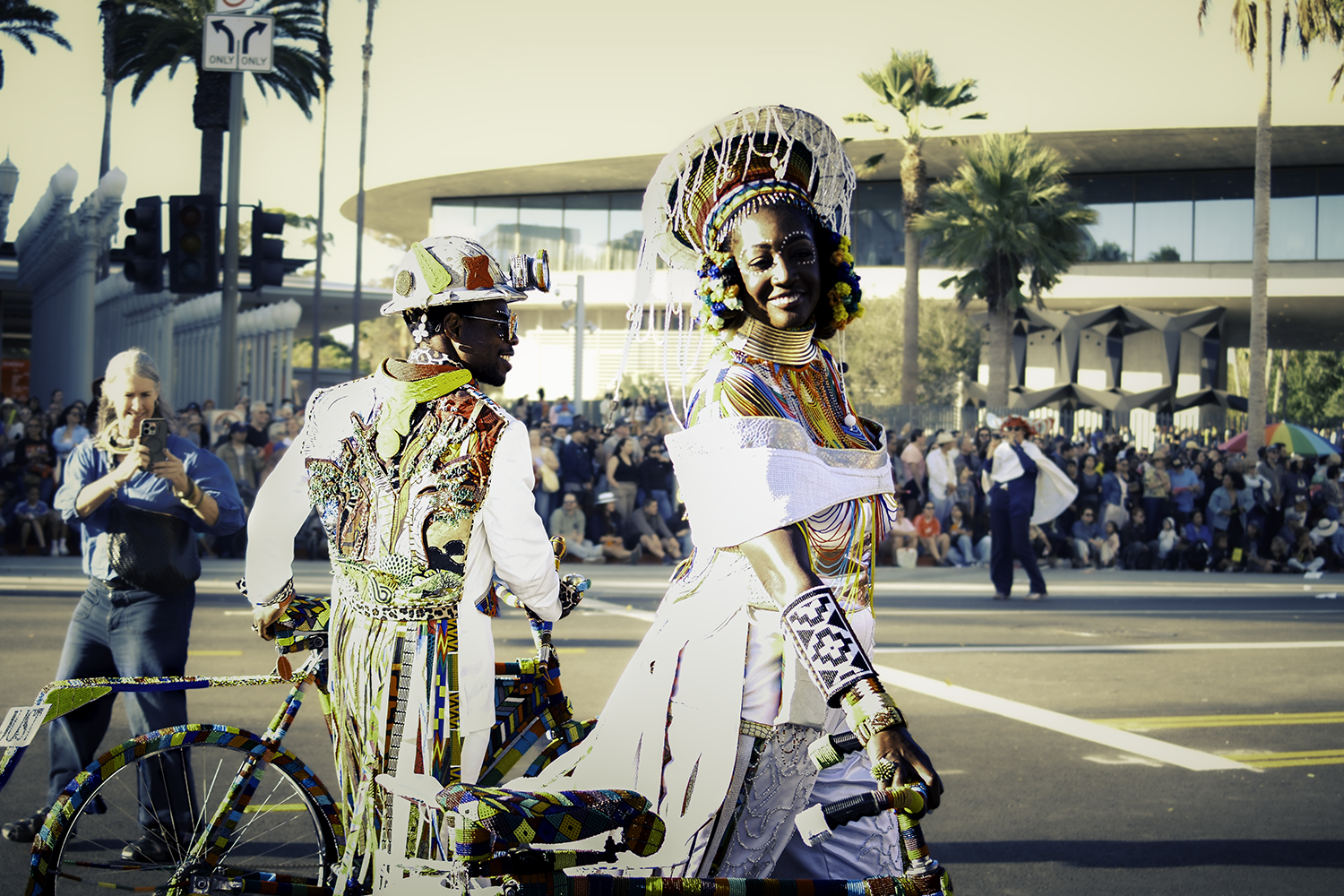
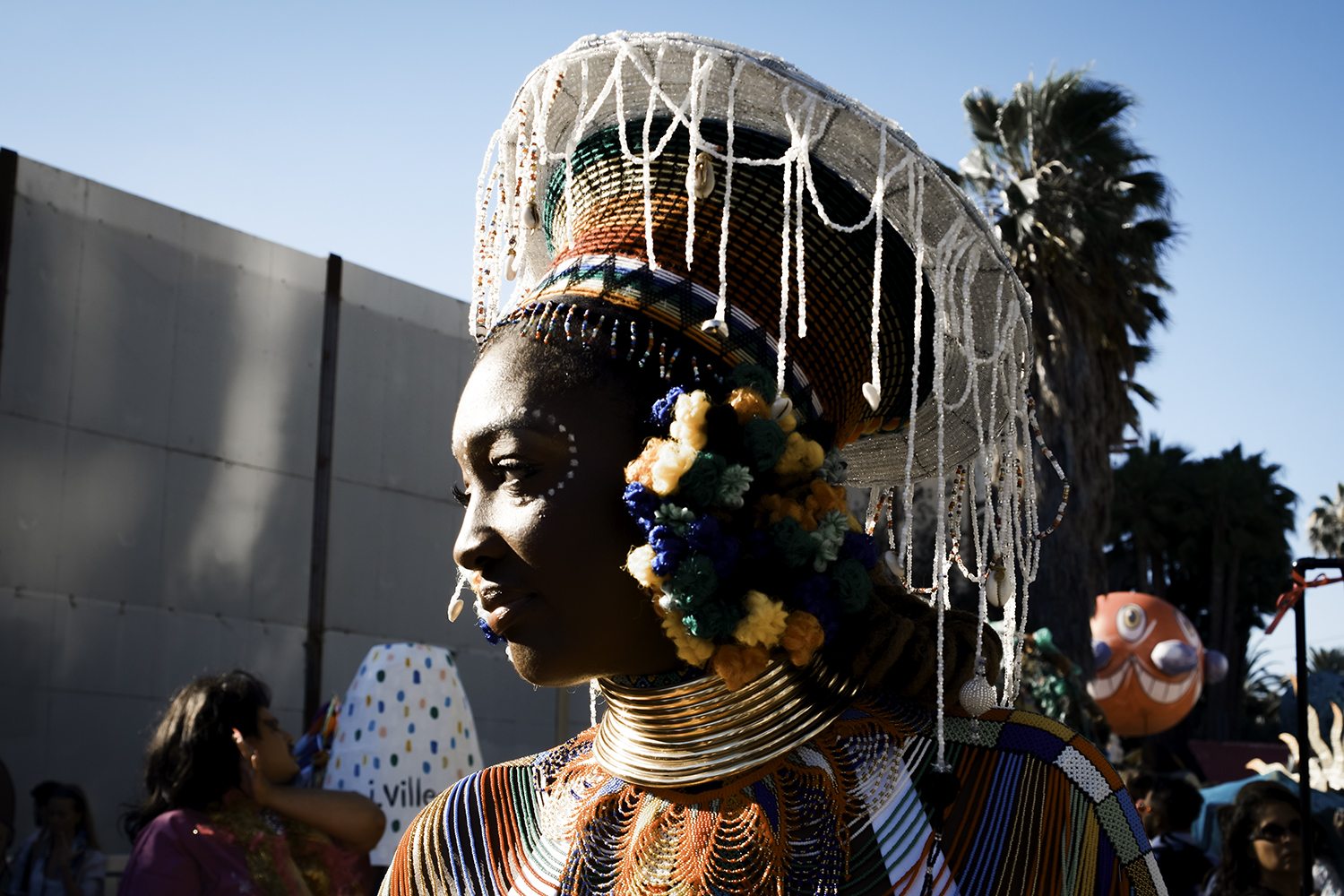
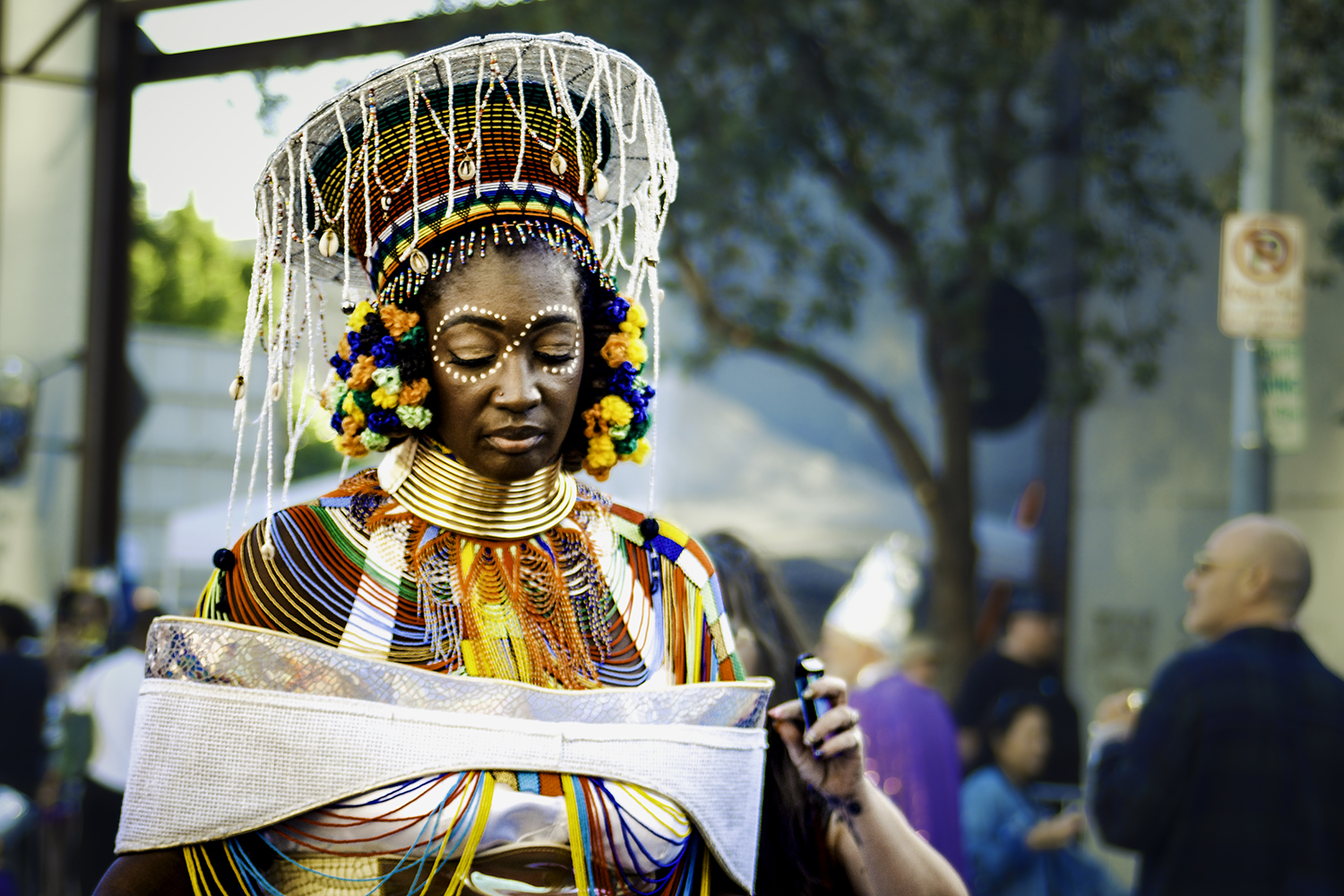
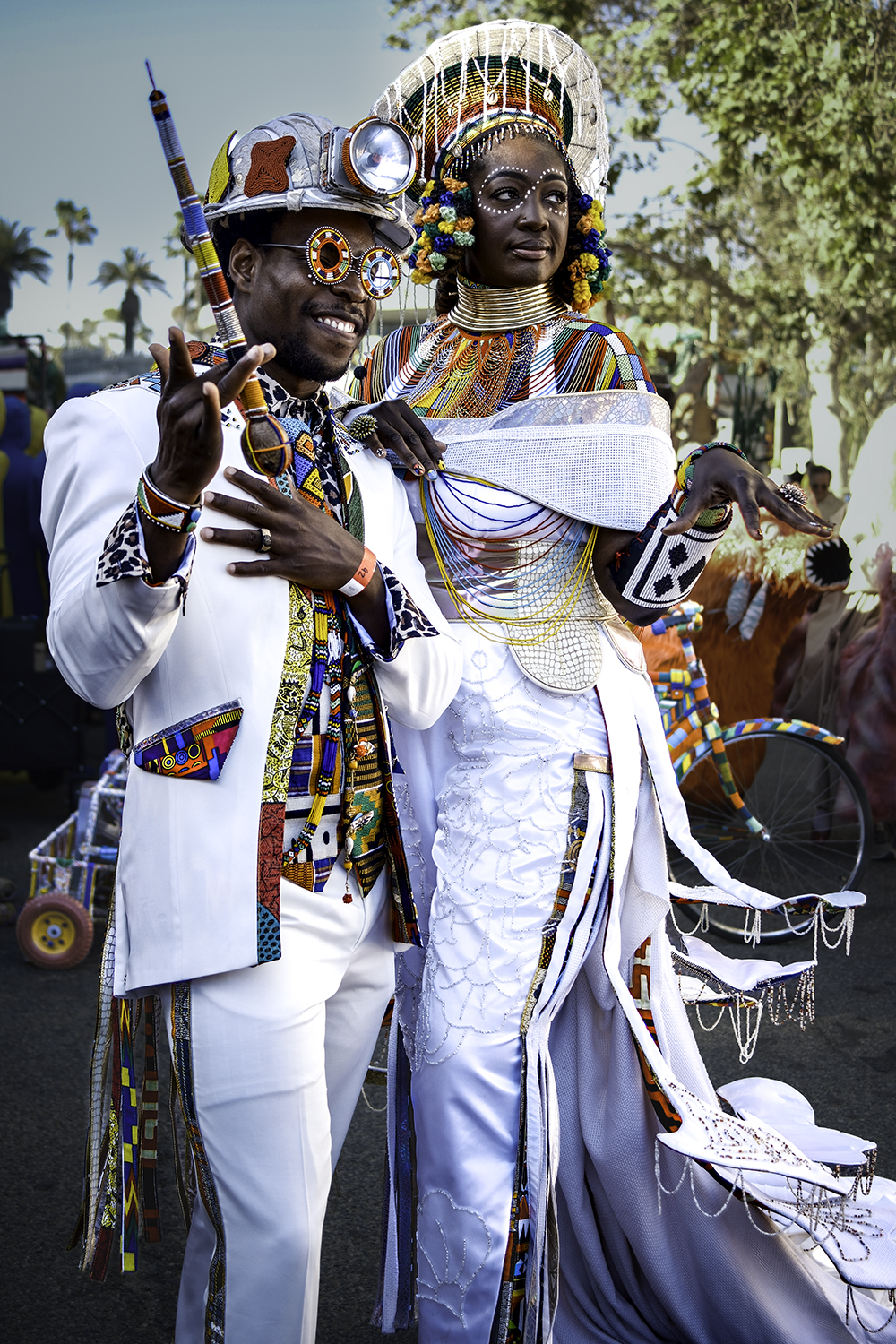
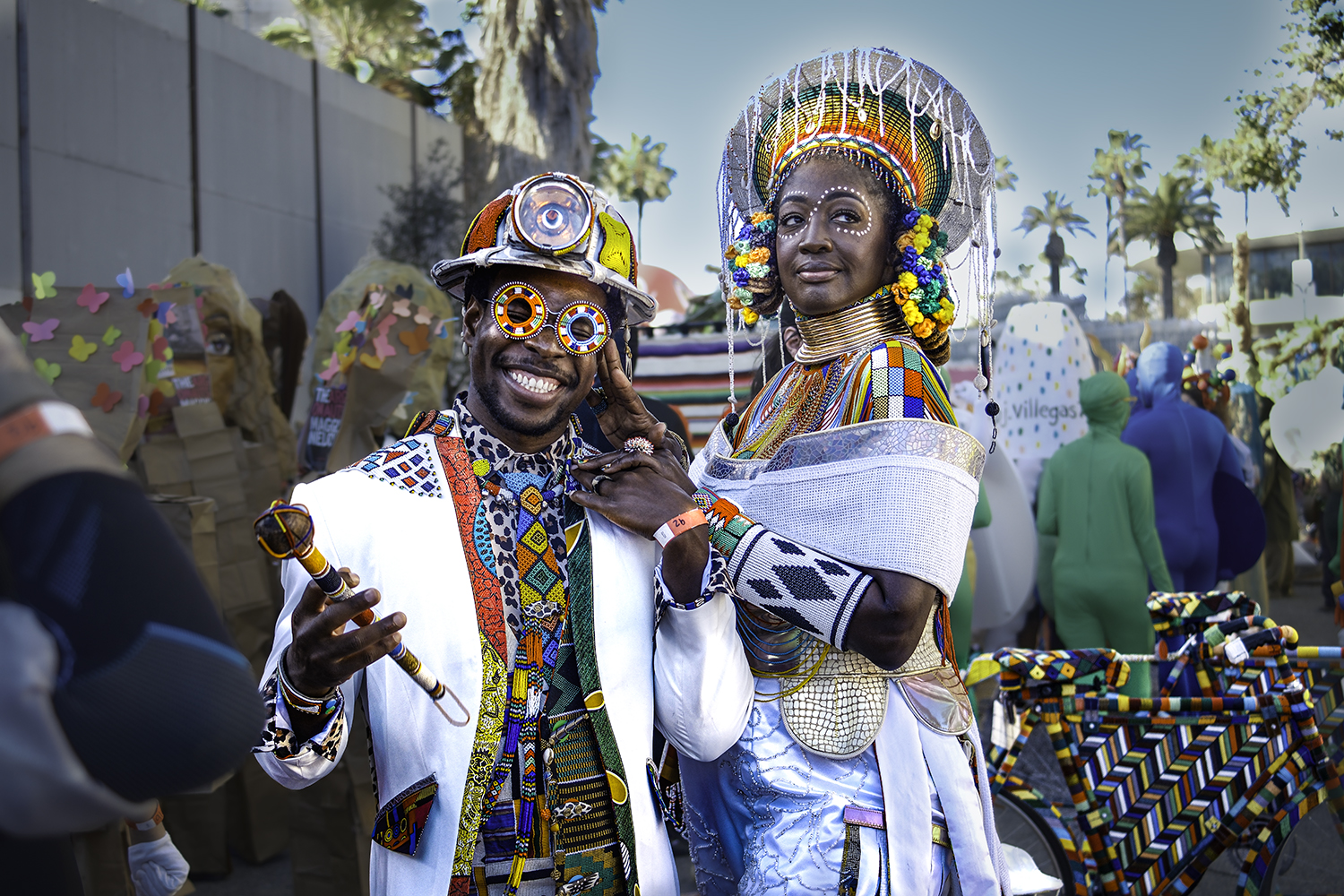
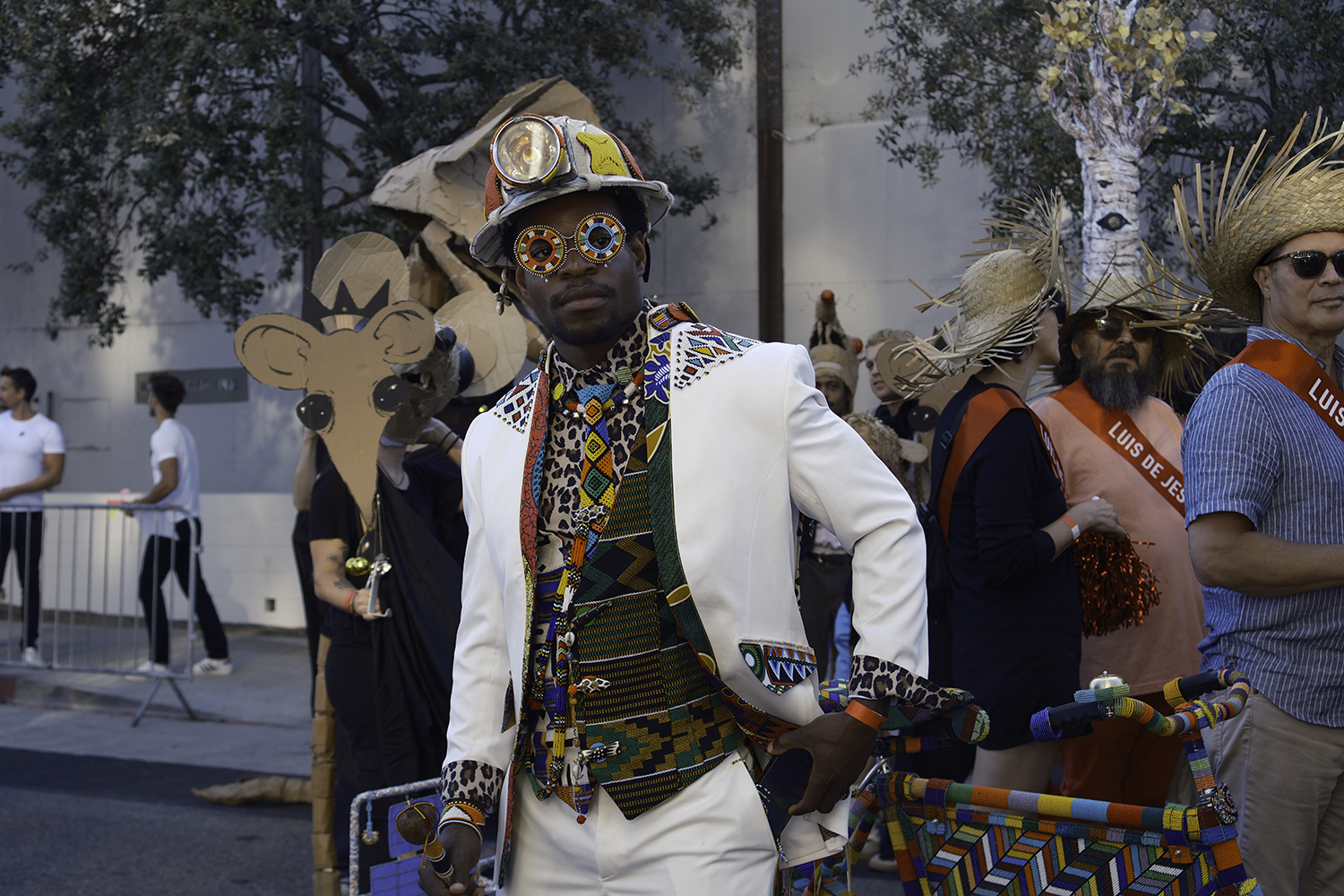
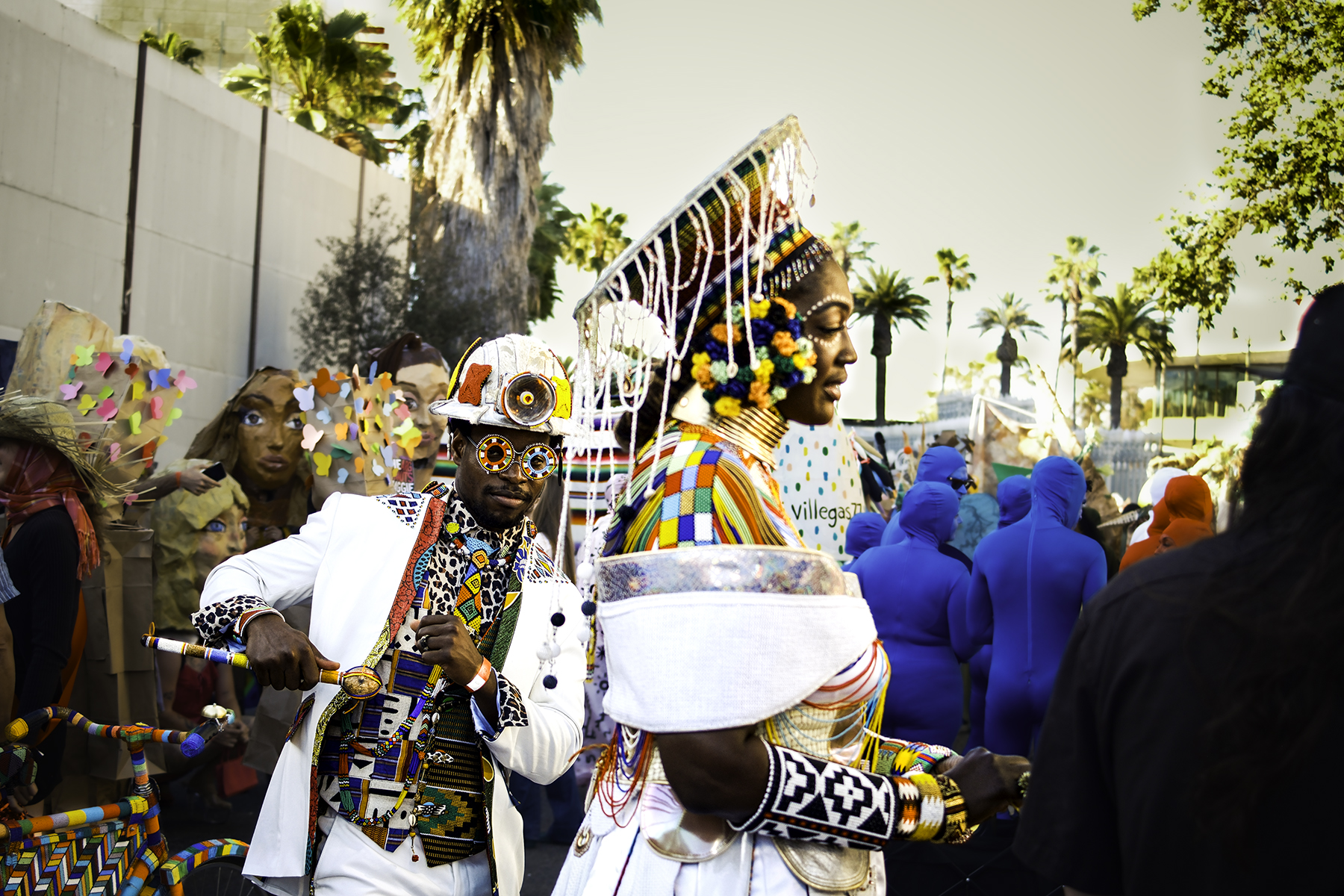
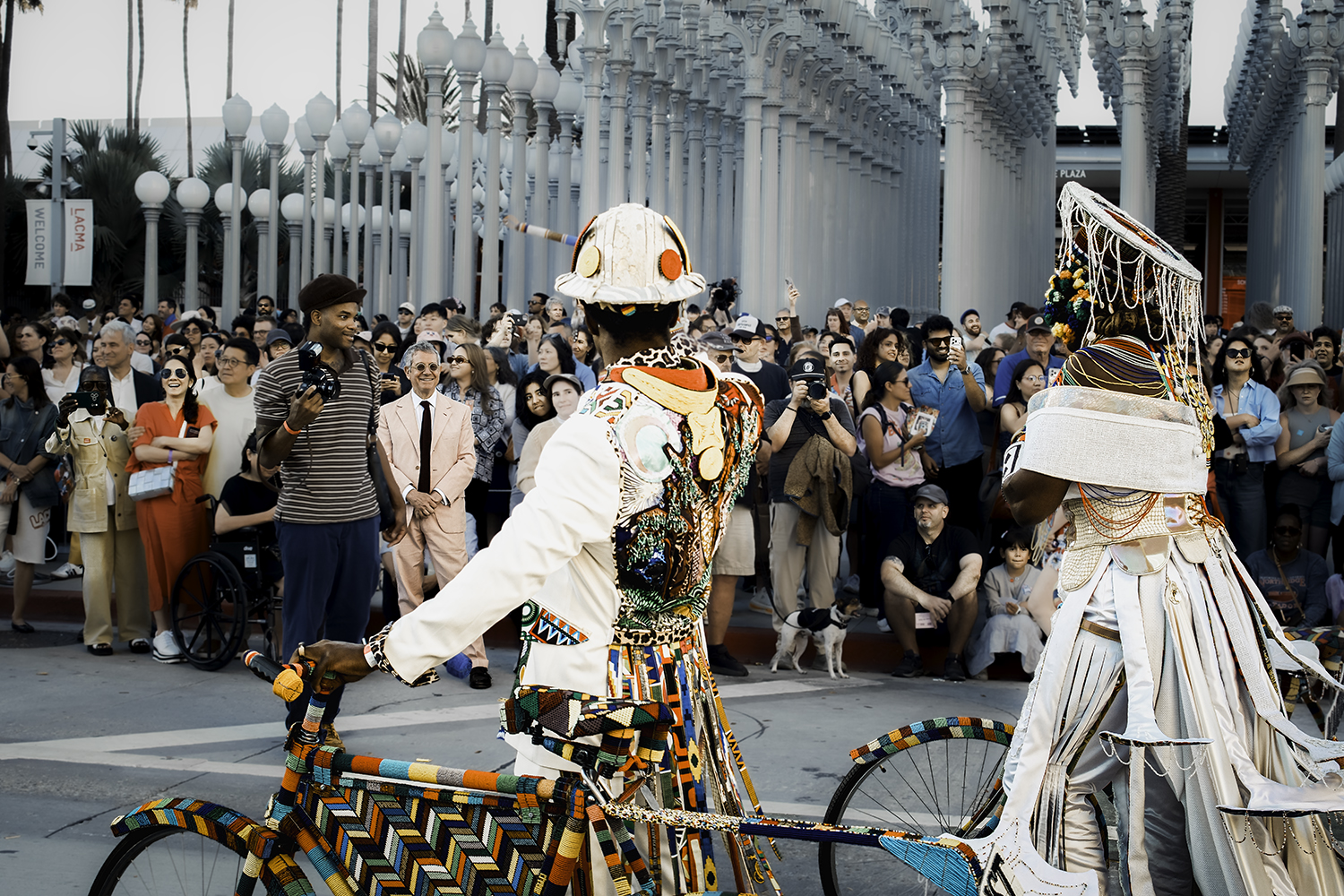
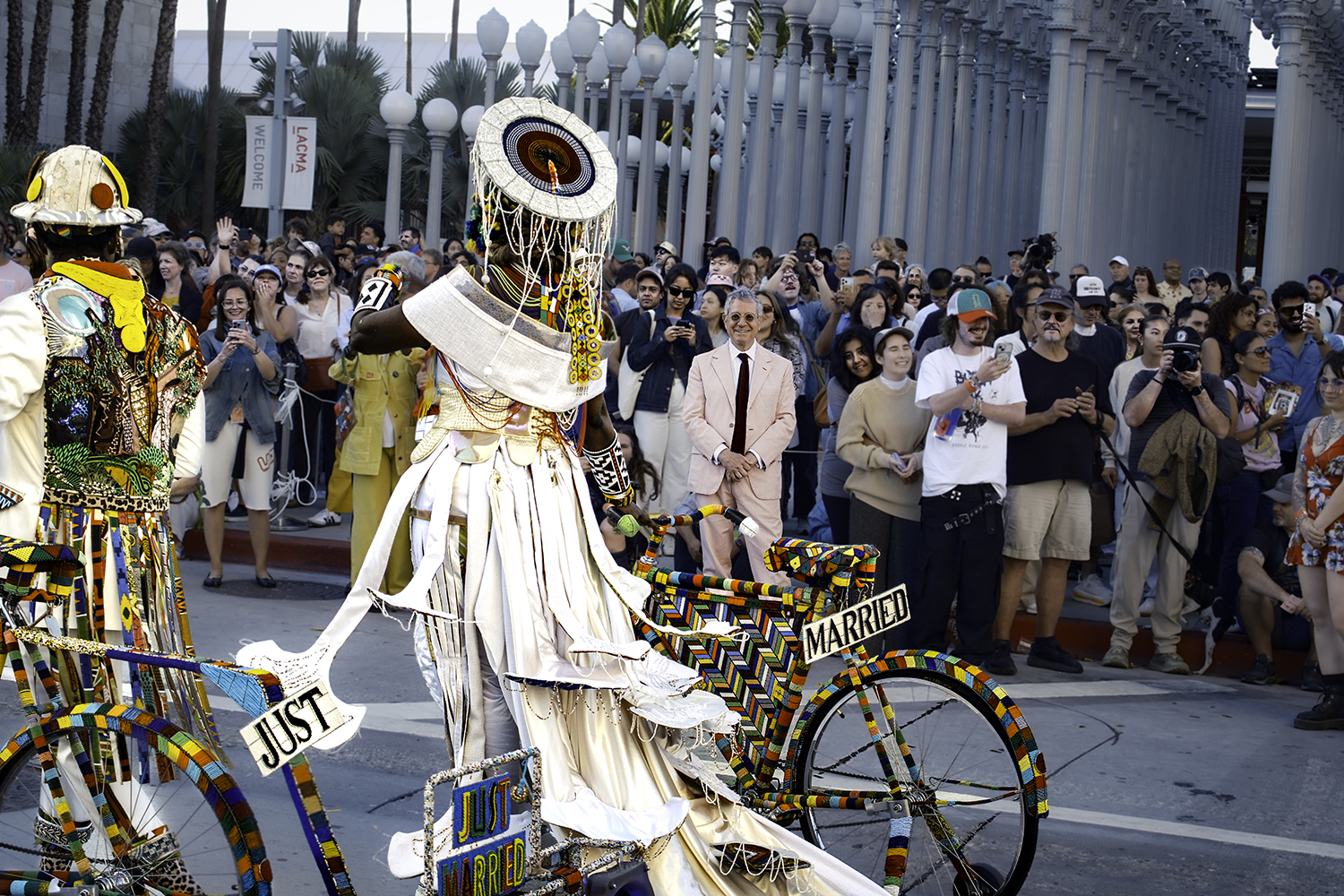
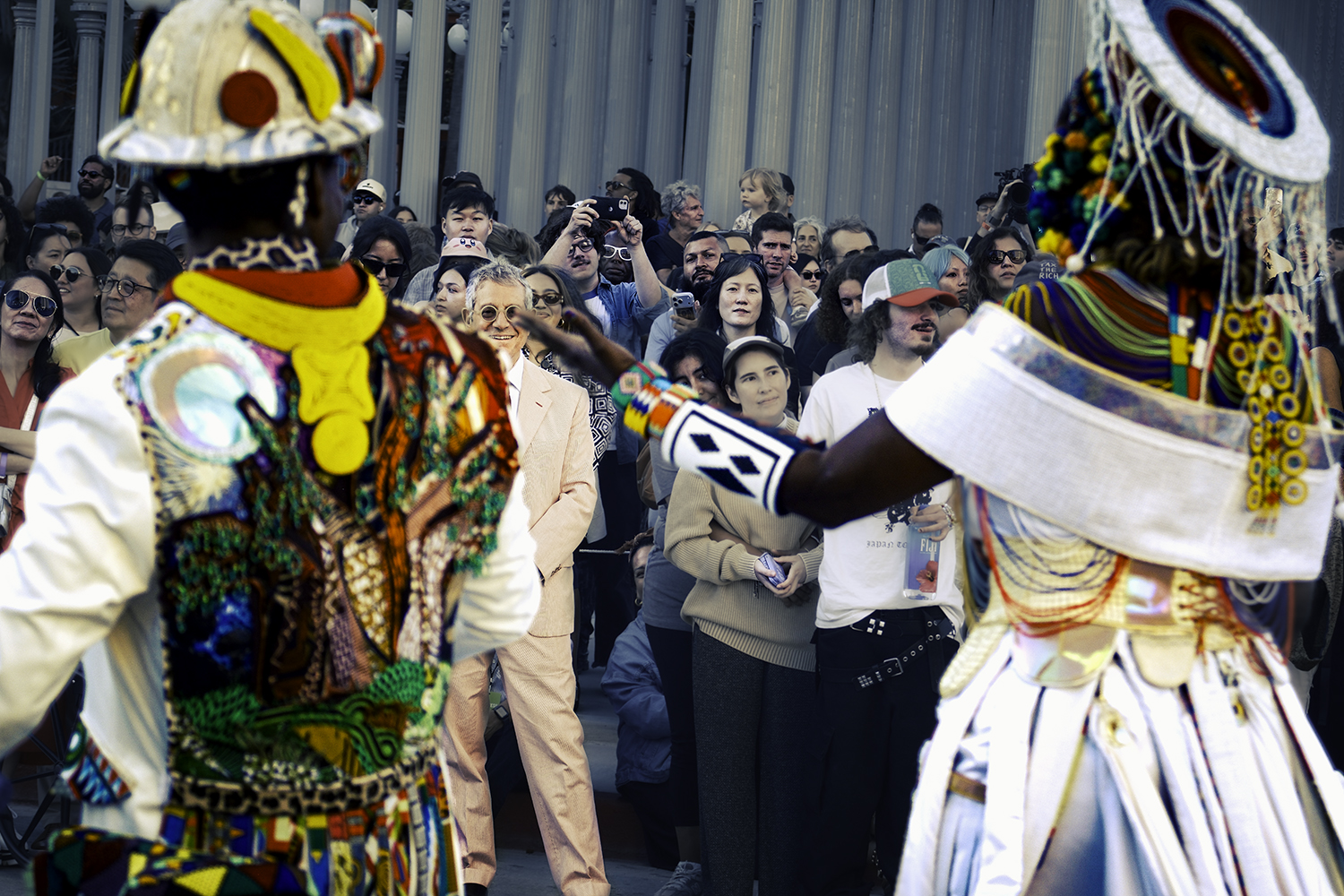
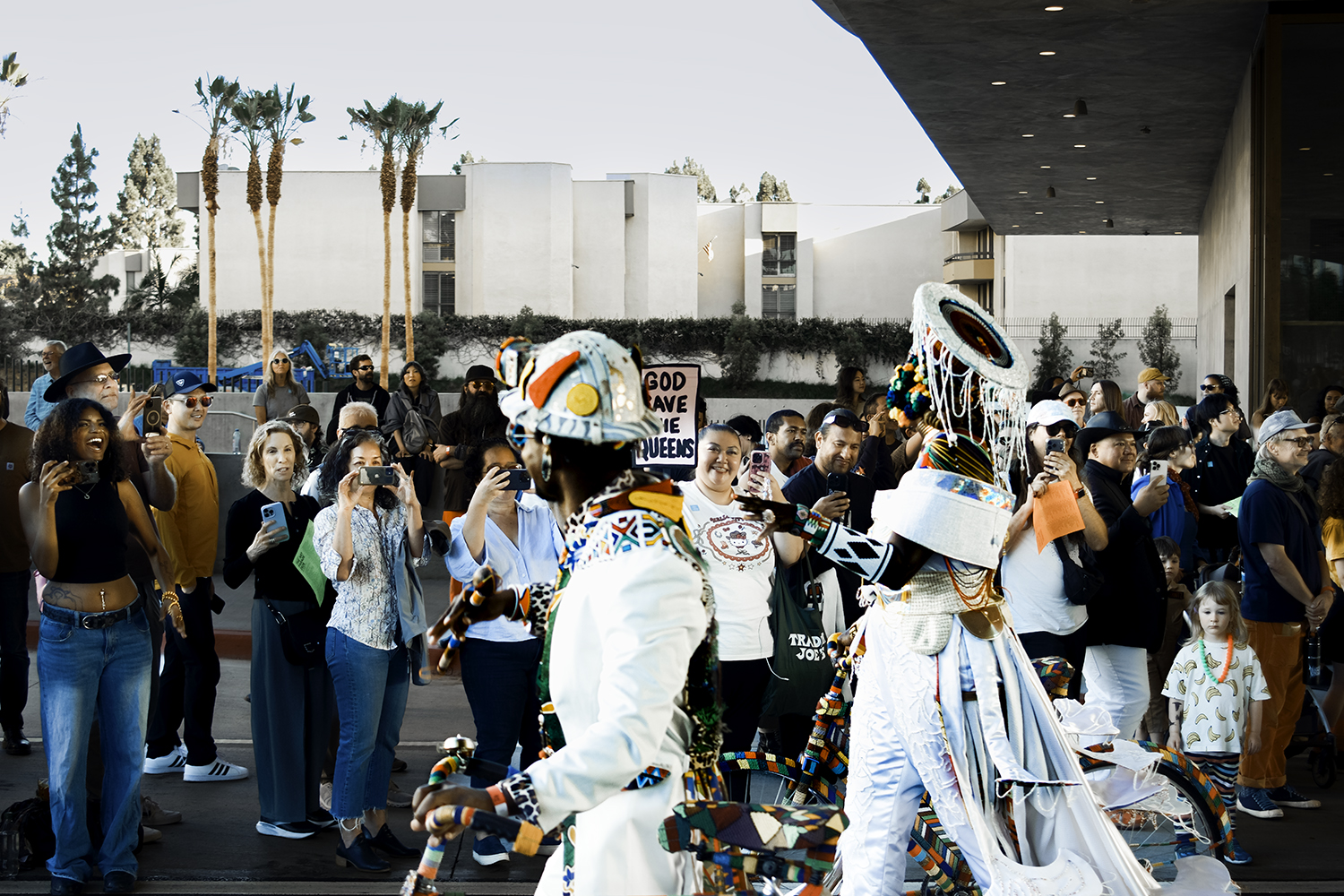
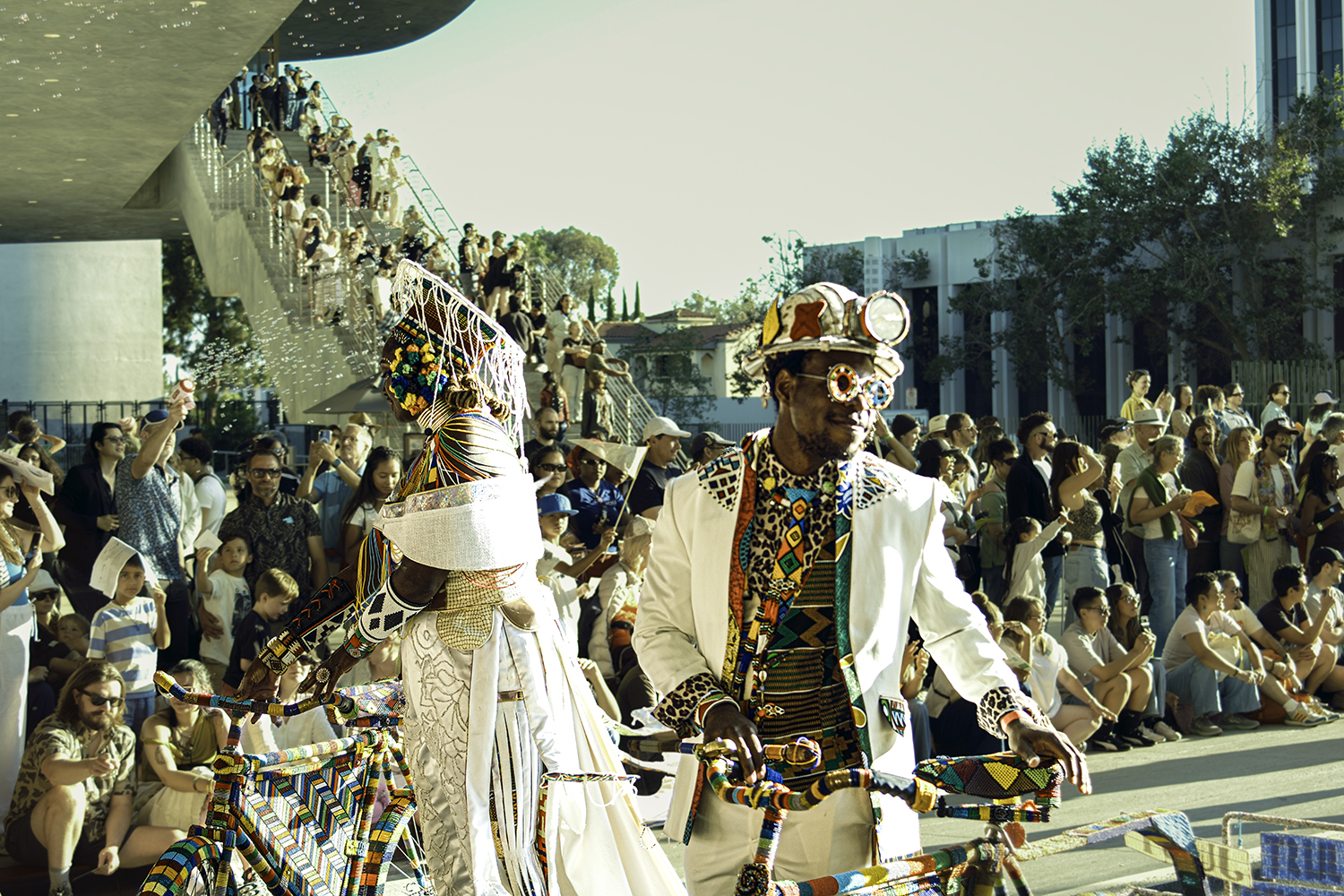
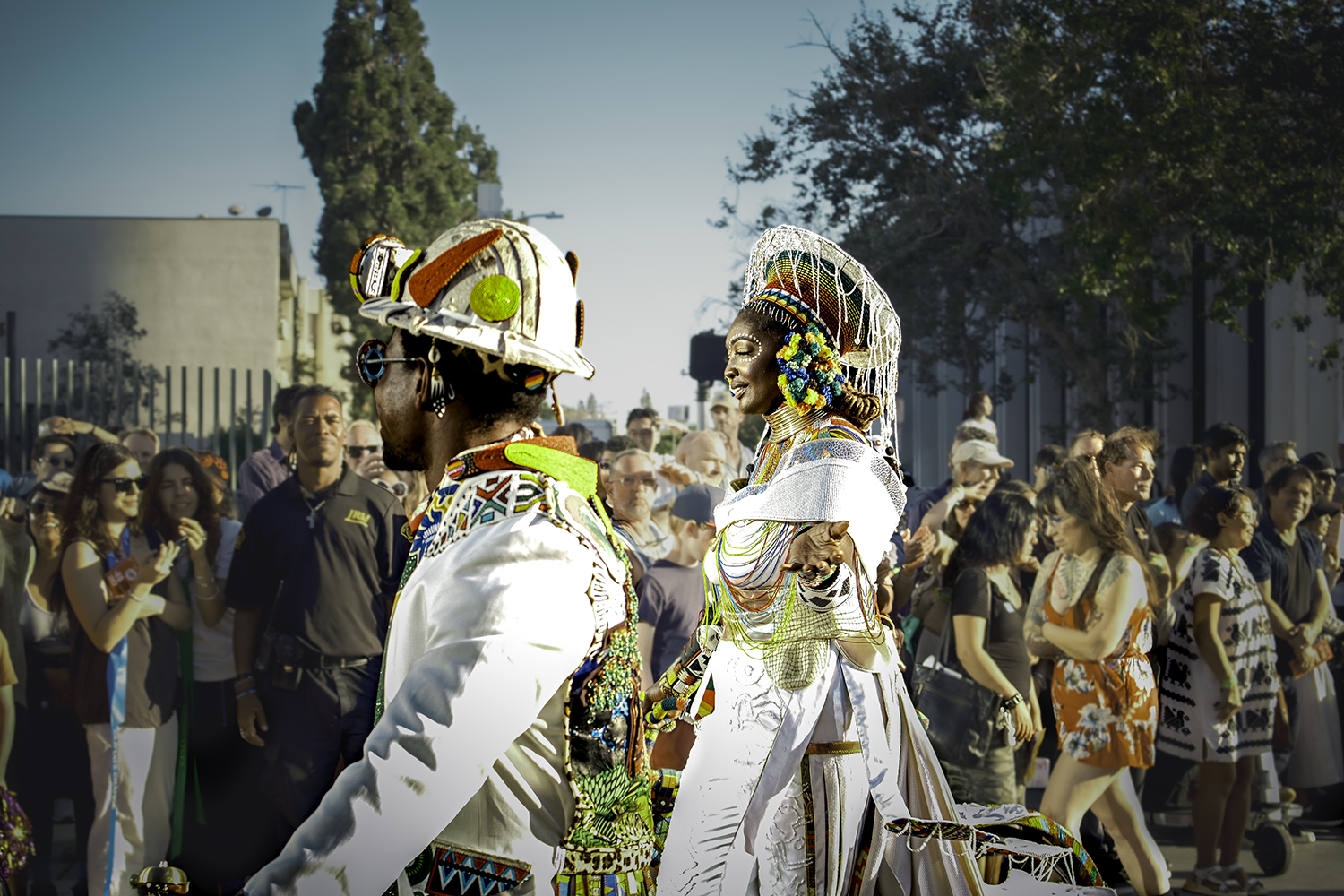
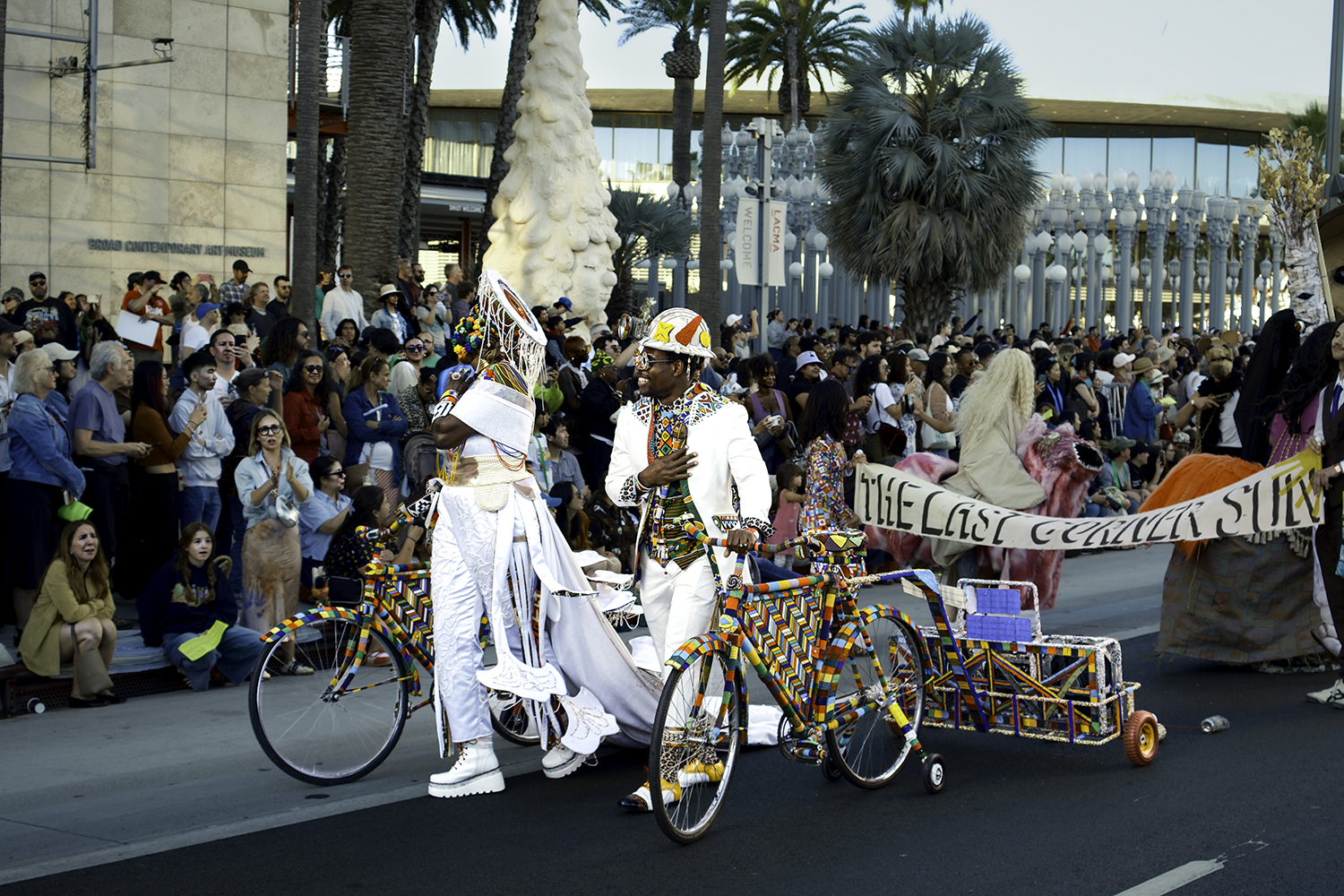
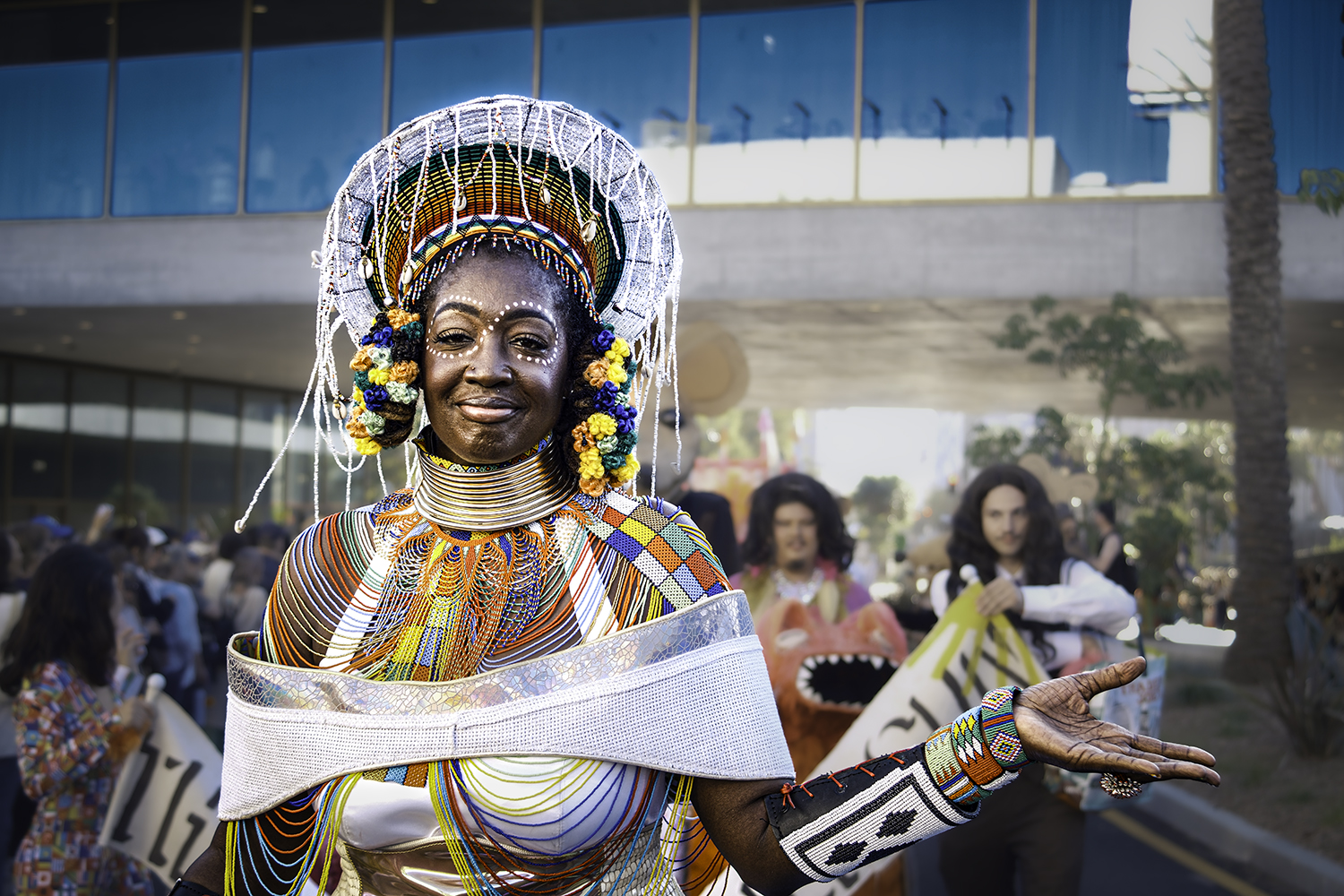
Inspired by the folk tale, The Two Bicycles of Sipho Dlamini, this work, part sculpture, part performance, tells the story of a rural African wedding held on two colorful, beaded bicycles. The bride, 6’ 7” in her elaborate handmade African-inspired gown, and the groom, 5’ 6” in his top hat and tails, walk through the parade each carrying one bicycle.
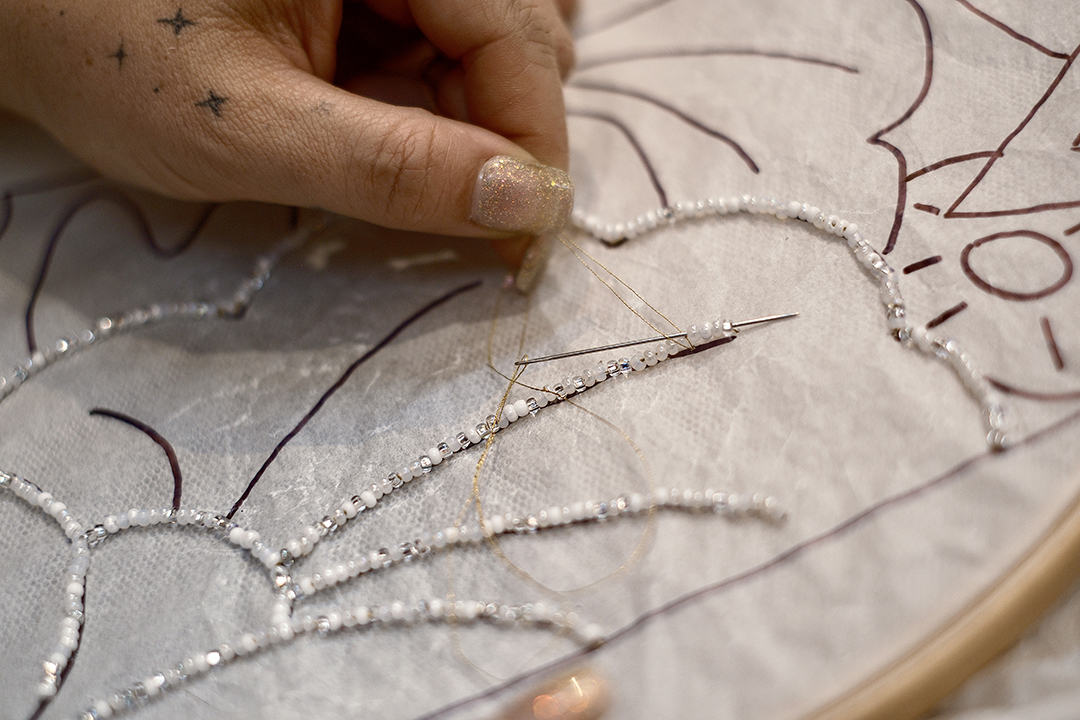
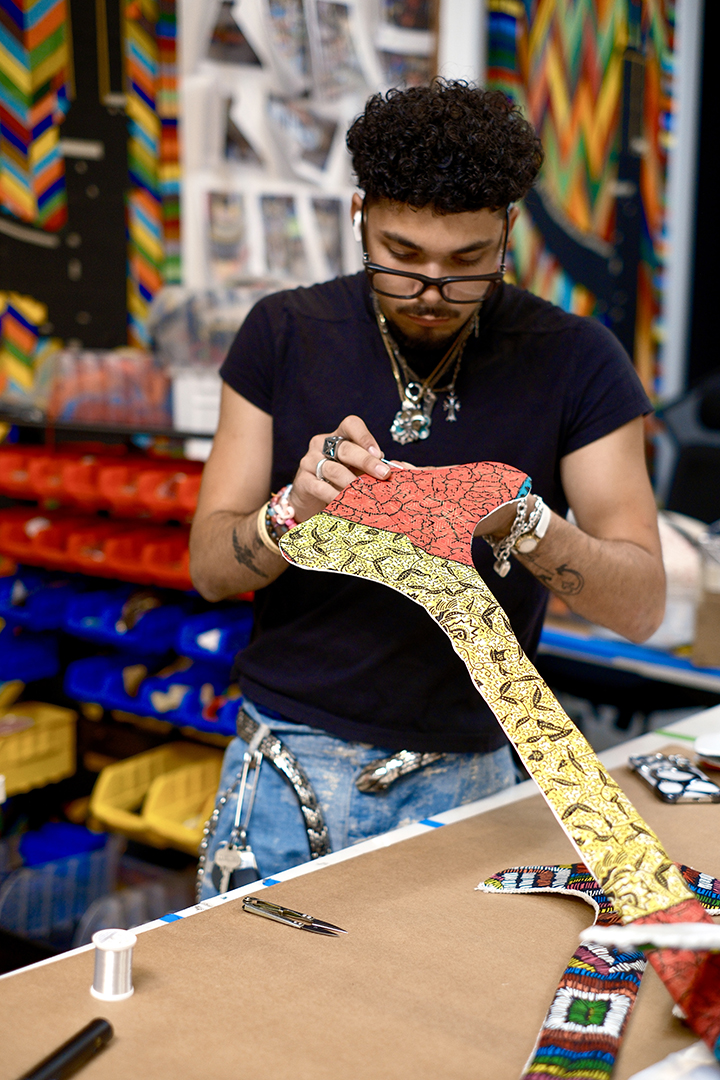
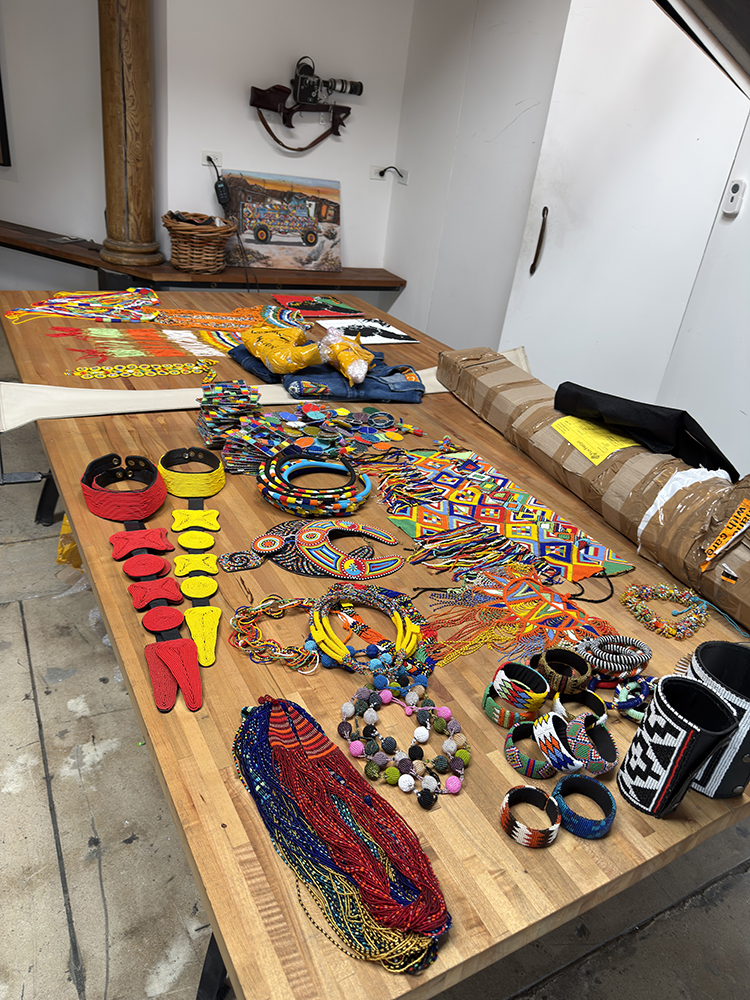
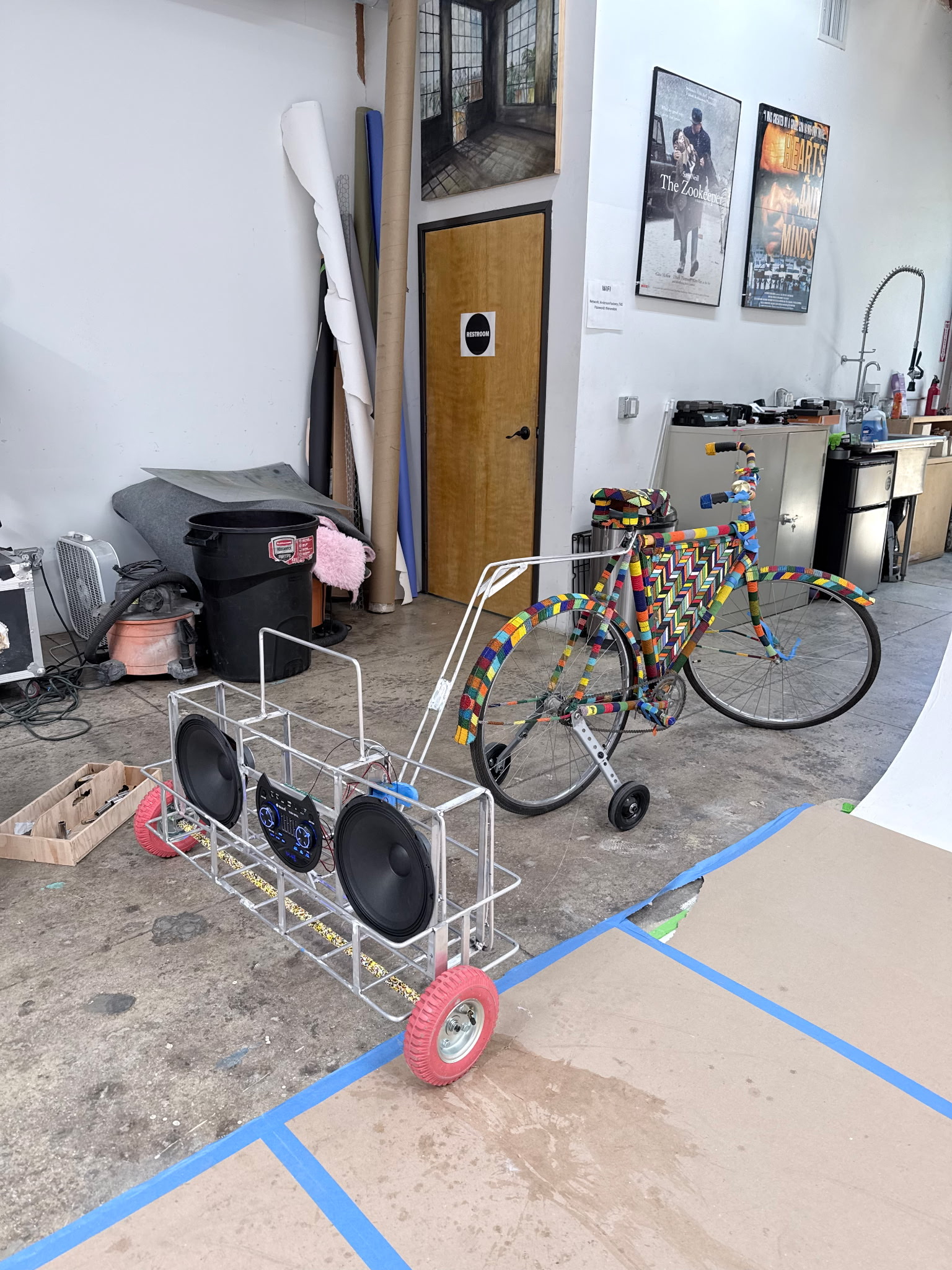
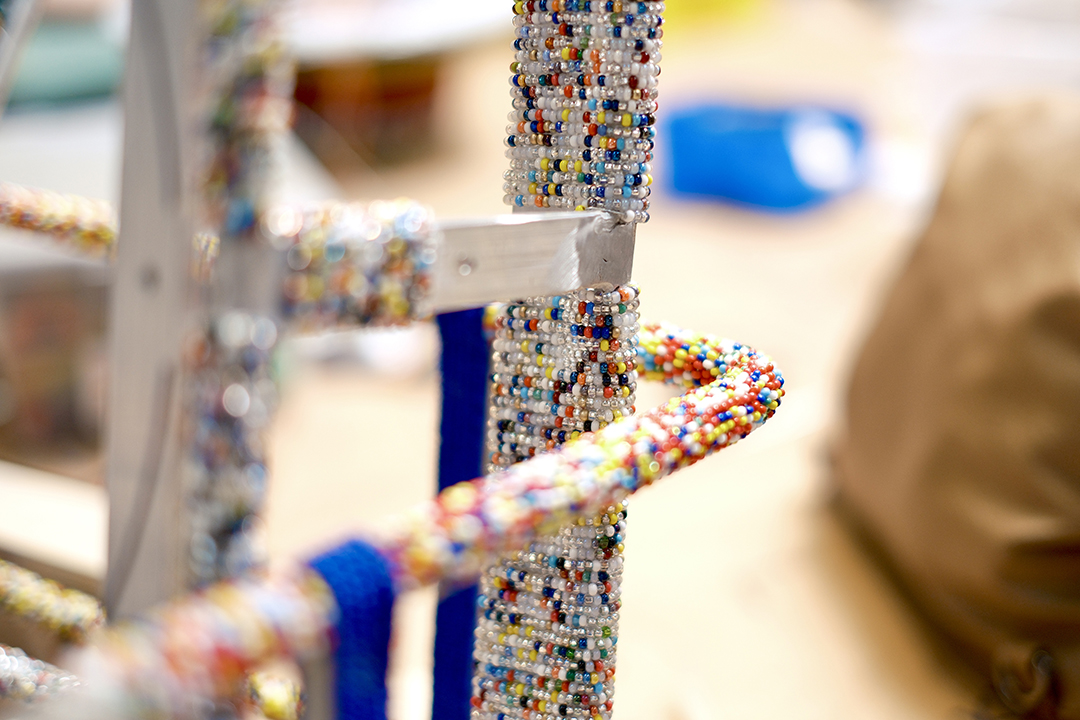
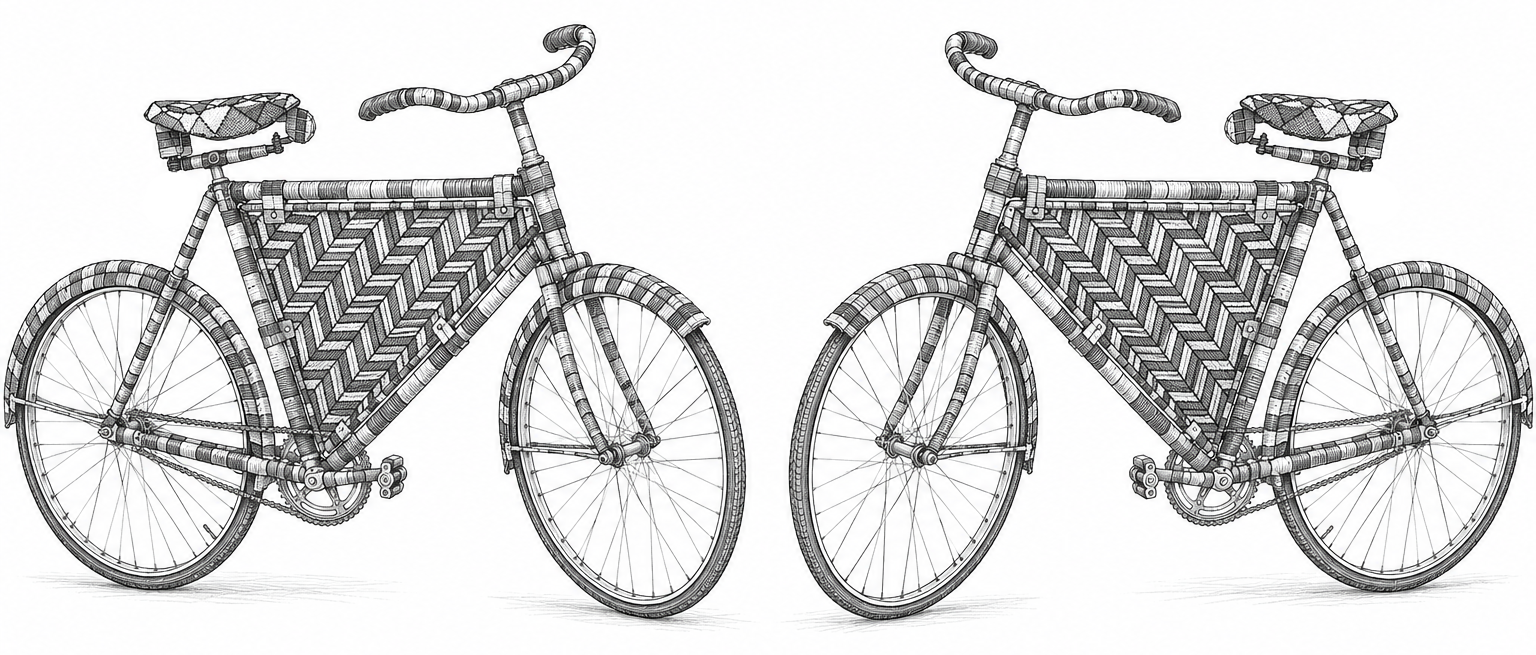
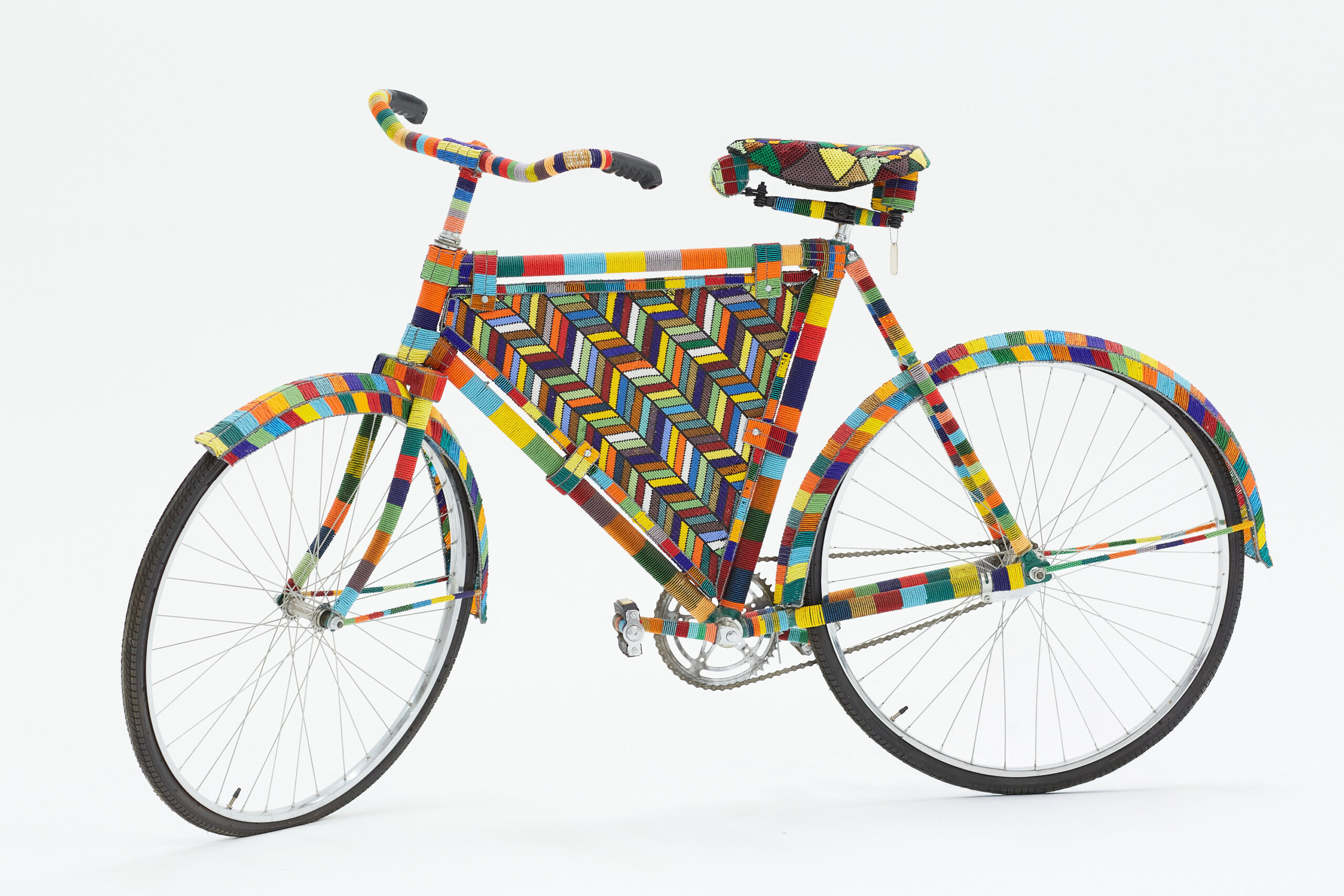
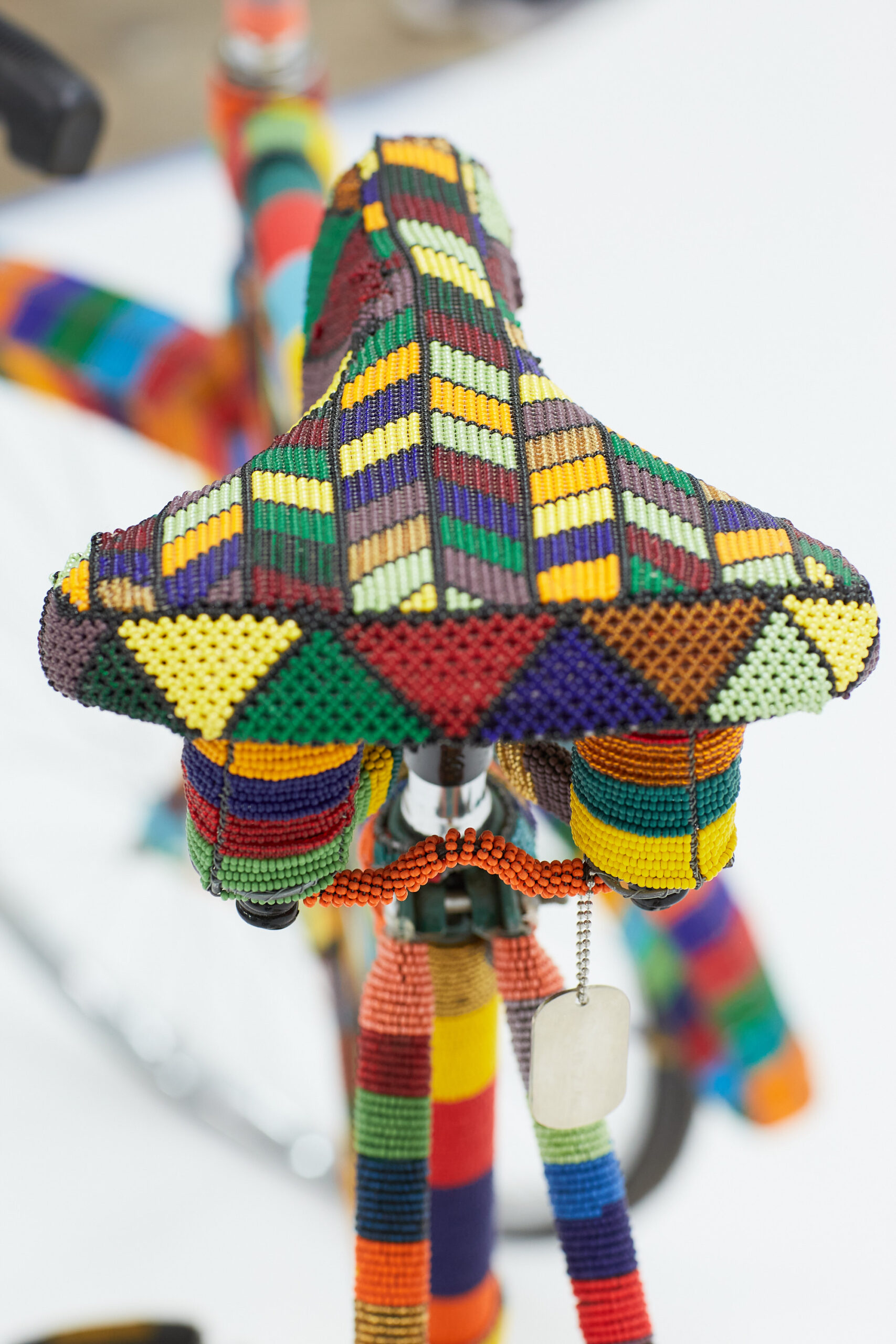
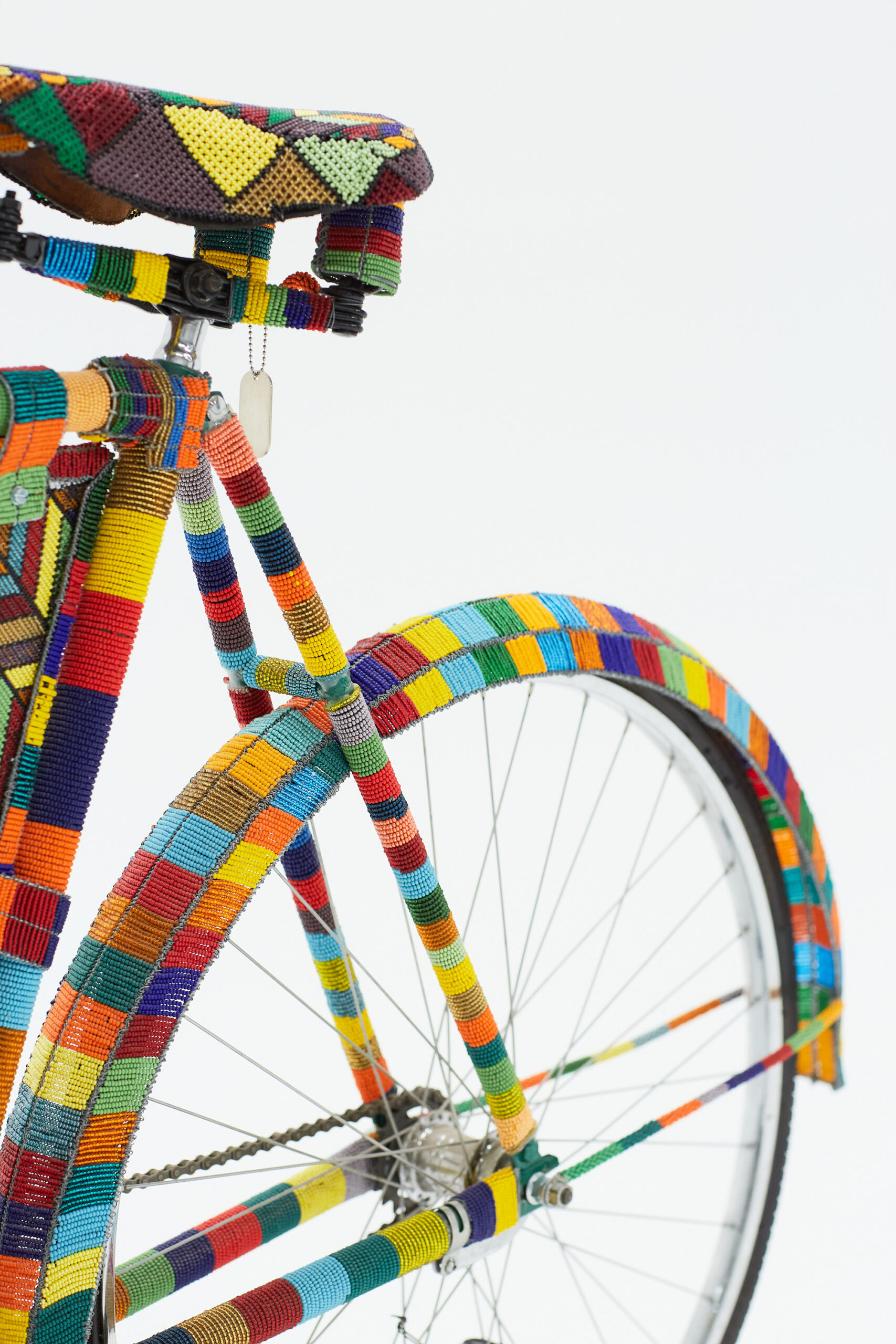
Each 1930's South African postal bike has been hand-adorned with thousands of glass beads strung on wire, bead by bead, representing hundreds of hours of painstaking work. Truly a celebration of traditional South African beadwork, storytelling, and celebration.
Both bicycles are hand-adorned by craftspeople and artisans from the rural Mpumalanga province in South Africa and from Harare, Zimbabwe.
One of the bikes has a “Just Married” sign made out of glass beads and wire. The other bike pulls a music system that plays traditional African wedding tunes.
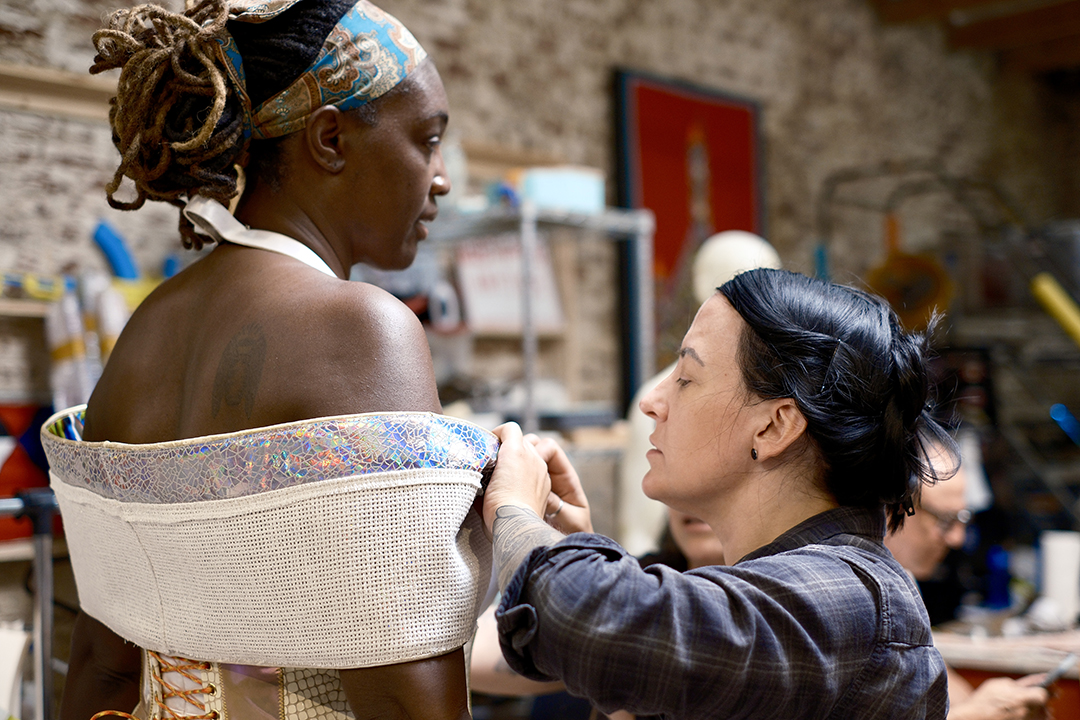
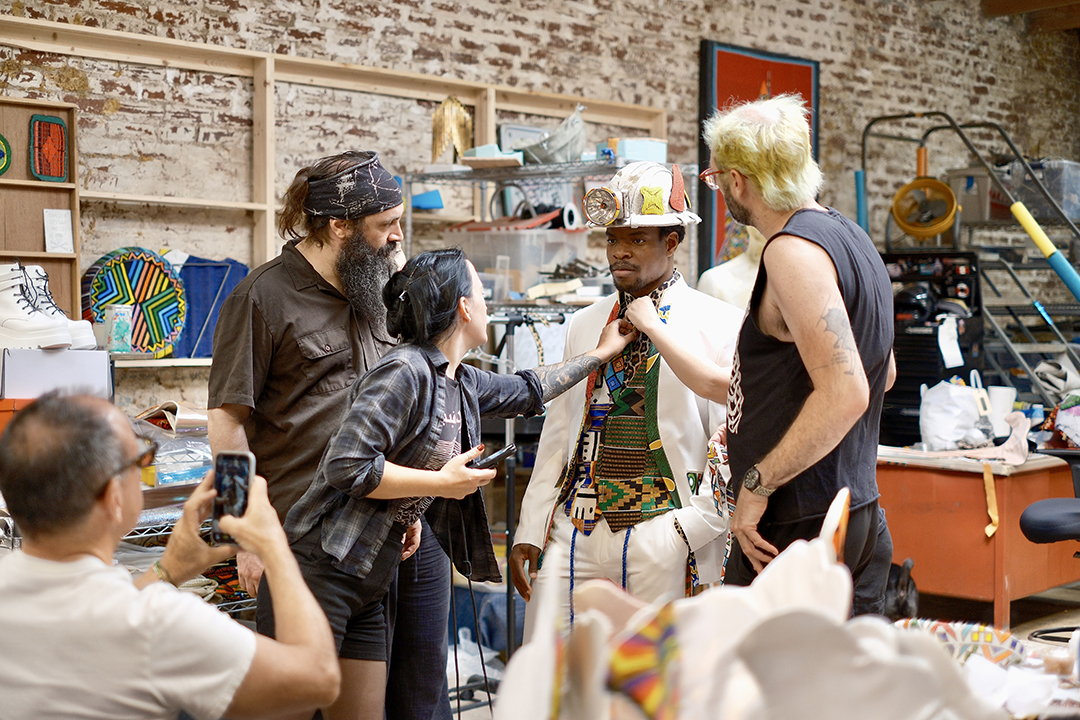
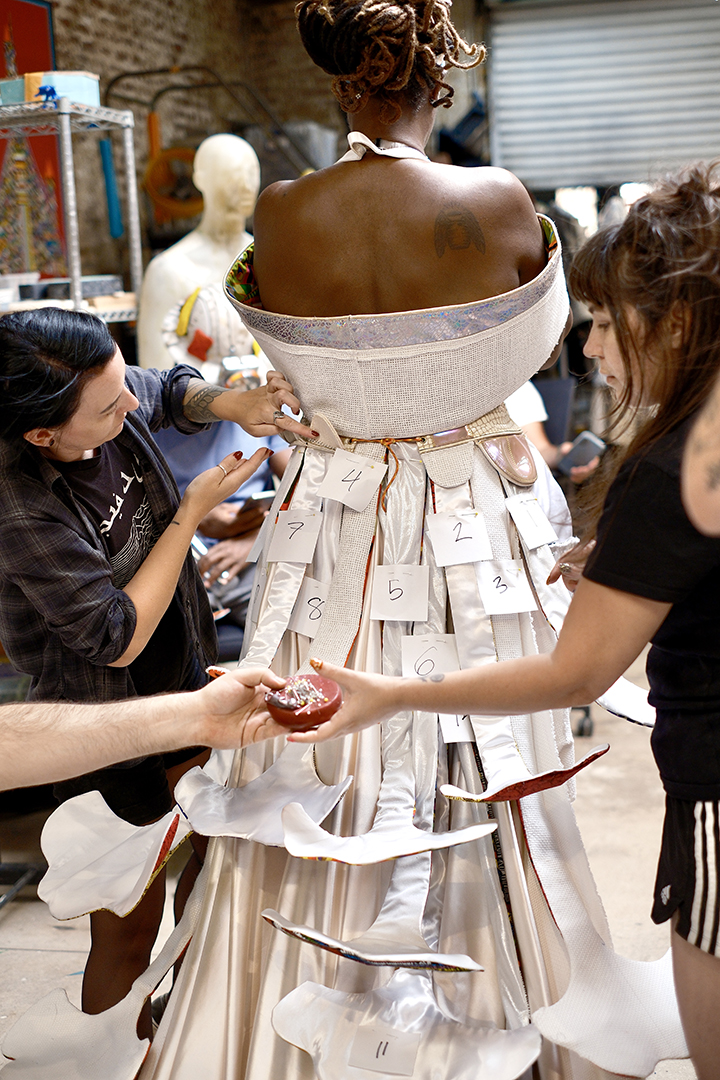
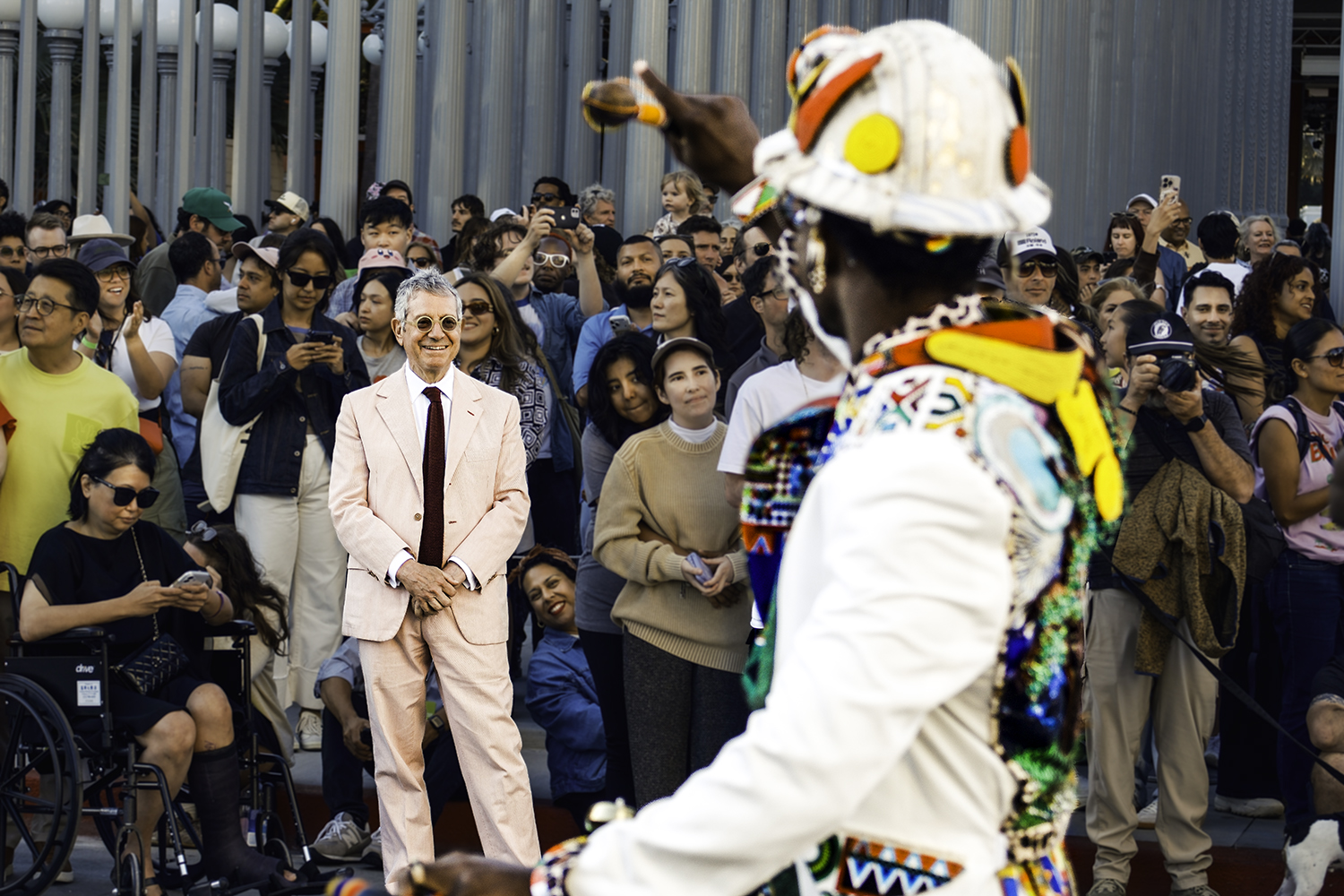
The bride and groom are dressed in their finest outfits, fabricated by local costume designers in Los Angeles, pushing the bicycles throughout the parade in celebration. The newlyweds are smiling, bowing, and basking in the glow of marriage, headed for a honeymoon.
A Tale from Mpumalanga: The Two Bicycles of Sipho Dlamini
A parable of pride, patience, and the bridge between hearts
Aaaah! Listen now, children. Come close. Come closer still. You there, stop poking your brother — you can do that tomorrow. Tonight, we tell a story. And this story, it is true. Or true enough, which in these matters is the same thing.
The storyteller says: Ngilandisa! — I am telling a story!
The people answer: Landelani! — We are listening!
In the village of Nkosi's Crossing, in the rolling red hills of Mpumalanga where the sun does not set so much as collapse with satisfaction into the earth — there lived a man called Sipho Dlamini.
Now. Sipho was short. But let us say it correctly.
He was short in the way a well-made axe handle is short — precisely the right length for exactly the right purpose. His mother, old Nomsa, God keep her knees, used to say: "Sipho is not a small man. He is a man who fits." And she was not wrong. She was never wrong. She was a mother.
As a young man, like many young men before him and many after, Sipho heard the city calling. You know that call, ne? It speaks in the voice of money and shining things. So Sipho went to Johannesburg, the great golden beast of a city, and he went down — down, down, down into the dark belly of the earth to dig gold from the bones of our ancestors' land.
His short stature was no curse underground. In the narrow tunnels where a big man would become a stuck man, Sipho moved like water through reeds.
He worked. He saved. He did not drink his wages. He did not gamble them. He sent some home to Nomsa and he kept the rest, folded tight in a sock in a tin under his bed — the bank of the righteous poor.
And then one day, Sipho Dlamini came home.
He came home with two bicycles. Not one. Two.
THE BICYCLES

PROCESS & FABRICATION